Building comparison
head to head
LEGO Harry Potter: Years 5-7vsNight in the Woods
Neither is harder. They score identically on all four axes, so the difference between them is in kind, not degree.
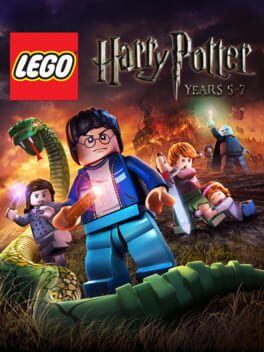
LEGO Harry Potter: Years 5-7
Optimization · Practiced Mastery
A relaxed family collect-a-thon testing completionist routing over any reflex.
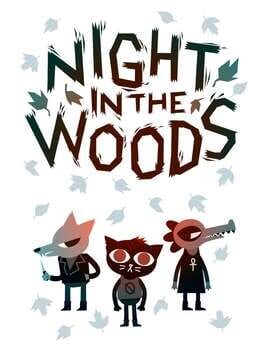
Night in the Woods
Optimization · Practiced Mastery
A character-driven slice-of-life game testing emotional attentiveness rather than puzzle solving.
LEGO Harry Potter: Years 5-7 leans Optimization (Practiced Mastery); Night in the Woods leans Optimization (Practiced Mastery).
LEGO Harry Potter: Years 5-7Night in the Woods
Axis by axis
Execution2 vs 2
Same score on execution - which means the number cannot separate them. The difference is in what each one asks of you.
LEGO Harry Potter: Years 5-7
Forgiving spell-casting and platforming for kids
Night in the Woods
Platforming and mini-games add light motor demands
Reads0 vs 0
Same score on reads - which means the number cannot separate them. The difference is in what each one asks of you.
LEGO Harry Potter: Years 5-7
Enemies are scripted props posing no adaptive threat
Night in the Woods
Scripted small-town narrative; no adaptive opponents
Variance1 vs 1
Same score on variance - which means the number cannot separate them. The difference is in what each one asks of you.
LEGO Harry Potter: Years 5-7
Collectibles are fixed, just initially unknown
Night in the Woods
Minimal randomness; story beats are authored
Optimization4 vs 4
Same score on optimization - which means the number cannot separate them. The difference is in what each one asks of you.
LEGO Harry Potter: Years 5-7
Spell-gated collectible routing is the real activity
Night in the Woods
Dialogue and exploration have no puzzle layer to solve systematically
A matching score does not mean a matching test. Two games can both sit at 10 on execution and demand completely different things of you - which is why the reasoning above matters more than the number beside it.
Related comparisons
Grand Theft Auto V vs LEGO Harry Potter: Years 5-7Grand Theft Auto V vs Night in the WoodsLEGO Harry Potter: Years 5-7 vs The Witcher 3: Wild HuntNight in the Woods vs The Witcher 3: Wild HuntGrand Theft Auto: San Andreas vs LEGO Harry Potter: Years 5-7Grand Theft Auto: San Andreas vs Night in the Woods