Building comparison
head to head
Life is Strange: True ColorsvsOmori
Neither is harder. They score identically on all four axes, so the difference between them is in kind, not degree.
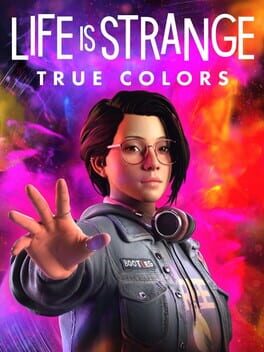
Life is Strange: True Colors
Optimization · Pure Optimization
An empathy-powered mystery where reading emotional states leads methodically to a fixed resolution.
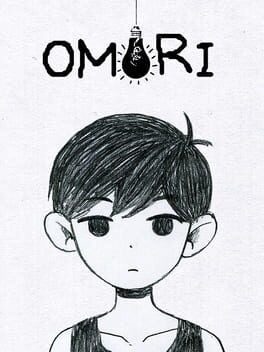
Omori
Optimization · Pure Optimization
A psychological horror RPG where a shut-in's dream world slowly cracks around a buried truth.
Life is Strange: True Colors leans Optimization (Pure Optimization); Omori leans Optimization (Pure Optimization).
Life is Strange: True ColorsOmori
Axis by axis
Execution1 vs 1
Same score on execution - which means the number cannot separate them. The difference is in what each one asks of you.
Life is Strange: True Colors
Empathy power and navigation demand no physical skill
Omori
Turn-based menus, no dexterity needed
Reads0 vs 0
Same score on reads - which means the number cannot separate them. The difference is in what each one asks of you.
Life is Strange: True Colors
Scripted small-town mystery with no adaptive NPCs
Omori
Scripted encounters throughout
Variance2 vs 2
Same score on variance - which means the number cannot separate them. The difference is in what each one asks of you.
Life is Strange: True Colors
Hidden emotional auras create mild investigative uncertainty
Omori
Minor drop and emotion randomness
Optimization5 vs 5
Same score on optimization - which means the number cannot separate them. The difference is in what each one asks of you.
Life is Strange: True Colors
Aura reading leads to deterministic outcomes once the system is understood
Omori
Emotion triangle and follow-ups are easily solvable
A matching score does not mean a matching test. Two games can both sit at 10 on execution and demand completely different things of you - which is why the reasoning above matters more than the number beside it.