Building comparison
head to head
Life is StrangevsMoon Hunters
Moon Hunters asks more than Life is Strange, and the gap is execution.
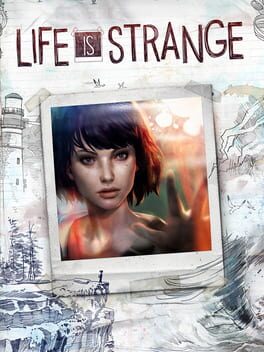
Life is Strange
Optimization · Systems & Chaos
A teenage drama built around rewinding decisions to map which choices actually alter the scripted outcome.
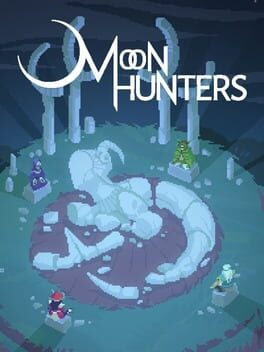
Moon Hunters
Variance · Systems & Chaos
Short procedural co-op runs where mapping event outcomes outweighs combat skill.
Life is Strange leans Optimization (Systems & Chaos); Moon Hunters leans Variance (Systems & Chaos).
Life is StrangeMoon Hunters
Axis by axis
Execution1 vs 4
Moon Hunters leans clearly harder on execution.
Life is Strange
Rewind mechanic removes virtually any failure state
Moon Hunters
Light action combat with simple dodge timing
Reads0 vs 0
Same score on reads - which means the number cannot separate them. The difference is in what each one asks of you.
Life is Strange
Scripted teen drama; no opponent models the player
Moon Hunters
No adaptive opponent in co-op myth-building
Variance3 vs 5
Moon Hunters leans clearly harder on variance.
Life is Strange
Rewind obscures which choices are truly consequential
Moon Hunters
Procedural maps and event rolls reshape each short run
Optimization5 vs 5
Same score on optimization - which means the number cannot separate them. The difference is in what each one asks of you.
Life is Strange
Understanding consequence chains enables deliberate dialogue path planning
Moon Hunters
Personality builds and event outcomes map over replays
A matching score does not mean a matching test. Two games can both sit at 10 on execution and demand completely different things of you - which is why the reasoning above matters more than the number beside it.