Building comparison
head to head
Mario & Luigi: Dream TeamvsSly Cooper: Thieves in Time
Neither is harder. They score identically on all four axes, so the difference between them is in kind, not degree.

Mario & Luigi: Dream Team
Optimization · Practiced Mastery
Timing-based RPG combat layered over learnable scripted enemy tells.
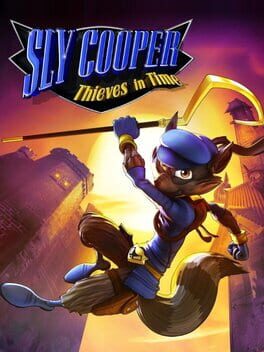
Sly Cooper: Thieves in Time
Optimization · Practiced Mastery
A stealth platformer where the Cooper gang heists through time using memorised guard patrols and ancestor skills.
Mario & Luigi: Dream Team leans Optimization (Practiced Mastery); Sly Cooper: Thieves in Time leans Optimization (Practiced Mastery).
Mario & Luigi: Dream TeamSly Cooper: Thieves in Time
Axis by axis
Execution5 vs 5
Same score on execution - which means the number cannot separate them. The difference is in what each one asks of you.
Mario & Luigi: Dream Team
Action-command timing on every attack and dodge matters
Sly Cooper: Thieves in Time
Timed sneaking, rail walks, and pickpocket inputs
Reads0 vs 0
Same score on reads - which means the number cannot separate them. The difference is in what each one asks of you.
Mario & Luigi: Dream Team
Enemy attacks are scripted tells to memorise
Sly Cooper: Thieves in Time
Guard patrols are scripted loops, never adaptive
Variance1 vs 1
Same score on variance - which means the number cannot separate them. The difference is in what each one asks of you.
Mario & Luigi: Dream Team
Battles are deterministic once tells are known
Sly Cooper: Thieves in Time
Patrol routes and layouts are fully mappable
Optimization6 vs 6
Same score on optimization - which means the number cannot separate them. The difference is in what each one asks of you.
Mario & Luigi: Dream Team
Gear, badges and attack choice reward system knowledge
Sly Cooper: Thieves in Time
Learning patrols, gadget choice, treasure routing
A matching score does not mean a matching test. Two games can both sit at 10 on execution and demand completely different things of you - which is why the reasoning above matters more than the number beside it.
Related comparisons
Grand Theft Auto V vs Mario & Luigi: Dream TeamGrand Theft Auto V vs Sly Cooper: Thieves in TimeMario & Luigi: Dream Team vs The Witcher 3: Wild HuntSly Cooper: Thieves in Time vs The Witcher 3: Wild HuntGrand Theft Auto: San Andreas vs Mario & Luigi: Dream TeamGrand Theft Auto: San Andreas vs Sly Cooper: Thieves in Time