Building comparison
head to head
Mario & Luigi: Partners in TimevsThe Wonderful End of the World
Neither is harder. They score identically on all four axes, so the difference between them is in kind, not degree.
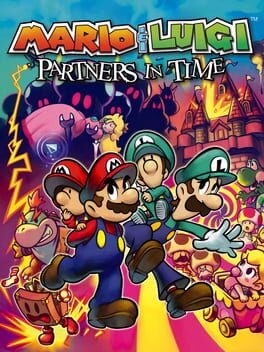
Mario & Luigi: Partners in Time
Optimization · Practiced Mastery
A turn-based RPG where timed button presses and strategic builds both matter.
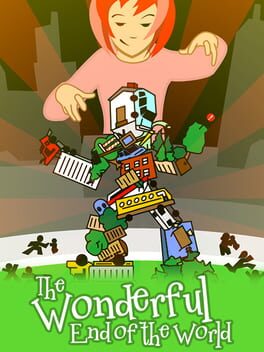
The Wonderful End of the World
Optimization · Practiced Mastery
A Katamari-style game about routing through levels absorbing objects against a timer.
Mario & Luigi: Partners in Time leans Optimization (Practiced Mastery); The Wonderful End of the World leans Optimization (Practiced Mastery).
Mario & Luigi: Partners in TimeThe Wonderful End of the World
Axis by axis
Execution5 vs 5
Same score on execution - which means the number cannot separate them. The difference is in what each one asks of you.
Mario & Luigi: Partners in Time
timed hit inputs require precision
The Wonderful End of the World
Movement and timed absorption need modest dexterity
Reads0 vs 0
Same score on reads - which means the number cannot separate them. The difference is in what each one asks of you.
Mario & Luigi: Partners in Time
scripted enemies, no adaptation
The Wonderful End of the World
No adaptive opponent in this solo collection game
Variance1 vs 1
Same score on variance - which means the number cannot separate them. The difference is in what each one asks of you.
Mario & Luigi: Partners in Time
minimal randomness in battles
The Wonderful End of the World
Object placement is fixed, nothing random
Optimization6 vs 6
Same score on optimization - which means the number cannot separate them. The difference is in what each one asks of you.
Mario & Luigi: Partners in Time
builds and turn strategy near-solvable
The Wonderful End of the World
Efficient routing to absorb maximum objects in time is key
A matching score does not mean a matching test. Two games can both sit at 10 on execution and demand completely different things of you - which is why the reasoning above matters more than the number beside it.
Related comparisons
Grand Theft Auto V vs Mario & Luigi: Partners in TimeGrand Theft Auto V vs The Wonderful End of the WorldMario & Luigi: Partners in Time vs The Witcher 3: Wild HuntThe Witcher 3: Wild Hunt vs The Wonderful End of the WorldGrand Theft Auto: San Andreas vs Mario & Luigi: Partners in TimeGrand Theft Auto: San Andreas vs The Wonderful End of the World