Building comparison
head to head
Mark of the NinjavsTomb Raider
Neither is meaningfully harder - they pose close to the same test. The widest gap is reads, and it is a single point.
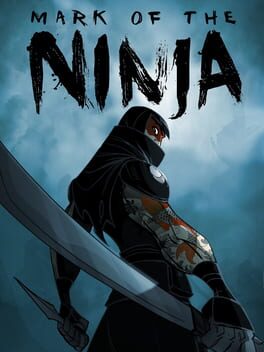
Mark of the Ninja
Optimization · Pure Optimization
Solving fixed 2D guard layouts through precise sound management and upgrade-optimised routing.
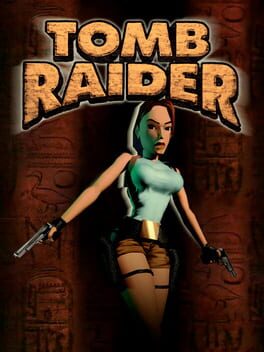
Tomb Raider
Optimization · Practiced Mastery
The original tomb-crawling platformer, a spatial puzzle solved with careful jumps.
Mark of the Ninja leans Optimization (Pure Optimization); Tomb Raider leans Optimization (Practiced Mastery).
Mark of the NinjaTomb Raider
Axis by axis
Execution5 vs 5
Same score on execution - which means the number cannot separate them. The difference is in what each one asks of you.
Mark of the Ninja
Precise ledge timing, sound-cone avoidance, and kill windows demand input
Tomb Raider
Grid-based jumps need deliberate, precise positioning
Reads1 vs 0
Mark of the Ninja leans a little harder on reads, though the gap is small.
Mark of the Ninja
Guards investigate noise on scripted logic; no player profiling
Tomb Raider
Wildlife and guardians follow fixed scripts
Variance2 vs 2
Same score on variance - which means the number cannot separate them. The difference is in what each one asks of you.
Mark of the Ninja
Guard placements are fixed per level; no RNG disrupts routing
Tomb Raider
First-run trap and secret locations are unknown
Optimization8 vs 7
Mark of the Ninja leans a little harder on optimization, though the gap is small.
Mark of the Ninja
Distraction sequencing, upgrade paths, and ghost-score routing are solvable
Tomb Raider
Levels are spatial puzzles with solvable routes
A matching score does not mean a matching test. Two games can both sit at 10 on execution and demand completely different things of you - which is why the reasoning above matters more than the number beside it.