Building comparison
head to head
Medal of Honor: FrontlinevsRise of the Tomb Raider
Neither is harder. They score identically on all four axes, so the difference between them is in kind, not degree.
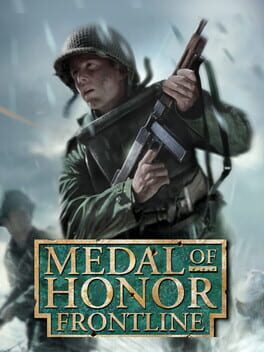
Medal of Honor: Frontline
Optimization · Practiced Mastery
A cinematic WWII console shooter famous for its D-Day opening.
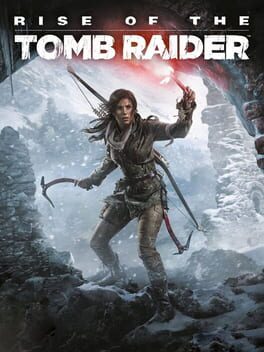
Rise of the Tomb Raider
Optimization · Practiced Mastery
Lara raids Siberian tombs in a stealth-action adventure heavy on puzzles.
Medal of Honor: Frontline leans Optimization (Practiced Mastery); Rise of the Tomb Raider leans Optimization (Practiced Mastery).
Medal of Honor: FrontlineRise of the Tomb Raider
Axis by axis
Execution5 vs 5
Same score on execution - which means the number cannot separate them. The difference is in what each one asks of you.
Medal of Honor: Frontline
Console gunplay through cinematic set-pieces
Rise of the Tomb Raider
Bow aim, stealth timing, and platforming sequences.
Reads0 vs 0
Same score on reads - which means the number cannot separate them. The difference is in what each one asks of you.
Medal of Honor: Frontline
Scripted soldiers never adapt
Rise of the Tomb Raider
Guards follow predictable patrol scripts.
Variance2 vs 2
Same score on variance - which means the number cannot separate them. The difference is in what each one asks of you.
Medal of Honor: Frontline
Set-piece surprises fade after one run
Rise of the Tomb Raider
Tomb unknowns dissolve after one visit.
Optimization6 vs 6
Same score on optimization - which means the number cannot separate them. The difference is in what each one asks of you.
Medal of Honor: Frontline
Memorising spawns and routes trivialises missions
Rise of the Tomb Raider
Tomb puzzles, crafting, and collectible routing are solvable.
A matching score does not mean a matching test. Two games can both sit at 10 on execution and demand completely different things of you - which is why the reasoning above matters more than the number beside it.
Related comparisons
Grand Theft Auto V vs Medal of Honor: FrontlineGrand Theft Auto V vs Rise of the Tomb RaiderMedal of Honor: Frontline vs The Witcher 3: Wild HuntRise of the Tomb Raider vs The Witcher 3: Wild HuntGrand Theft Auto: San Andreas vs Medal of Honor: FrontlineGrand Theft Auto: San Andreas vs Rise of the Tomb Raider