Building comparison
head to head
Medieval: Total WarvsSpace Run: Fast and Safe Delivery
Neither is meaningfully harder - they pose close to the same test. The widest gap is variance, and it is a single point.
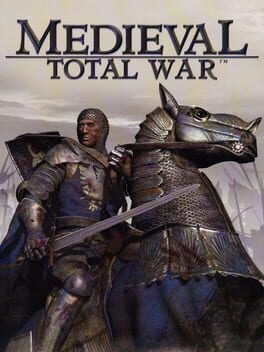
Medieval: Total War
Optimization · Pure Optimization
The 2002 Total War pairing turn-based medieval empire management with massive real-time battles.

Space Run: Fast and Safe Delivery
Optimization · Pure Optimization
A space tower-defense game solved by optimal module placement under timed pressure.
Medieval: Total War leans Optimization (Pure Optimization); Space Run: Fast and Safe Delivery leans Optimization (Pure Optimization).
Medieval: Total WarSpace Run: Fast and Safe Delivery
Axis by axis
Execution3 vs 3
Same score on execution - which means the number cannot separate them. The difference is in what each one asks of you.
Medieval: Total War
Real-time battle control rewards quick unit handling
Space Run: Fast and Safe Delivery
Real-time placement under pressure adds mild twitch
Reads2 vs 2
Same score on reads - which means the number cannot separate them. The difference is in what each one asks of you.
Medieval: Total War
Multiplayer battles add human feints; campaign AI is scripted
Space Run: Fast and Safe Delivery
Enemy waves are scripted, not adapting to you
Variance3 vs 4
Space Run: Fast and Safe Delivery leans a little harder on variance, though the gap is small.
Medieval: Total War
Battle dice, loyalty and event cards add noise
Space Run: Fast and Safe Delivery
Wave compositions and timing add bounded surprises
Optimization8 vs 8
Same score on optimization - which means the number cannot separate them. The difference is in what each one asks of you.
Medieval: Total War
Campaign economy and battlefield doctrine are deeply learnable
Space Run: Fast and Safe Delivery
Optimal weapon placement and resource use win runs
A matching score does not mean a matching test. Two games can both sit at 10 on execution and demand completely different things of you - which is why the reasoning above matters more than the number beside it.