Building comparison
head to head
Metal Gear Solid: The Twin SnakesvsSplinter Cell: Chaos Theory
Neither is meaningfully harder - they pose close to the same test. The widest gap is variance, and it is a single point.

Metal Gear Solid: The Twin Snakes
Optimization · Pure Optimization
The GameCube remake of Metal Gear Solid, a scripted stealth gauntlet that rewards memorized routes.
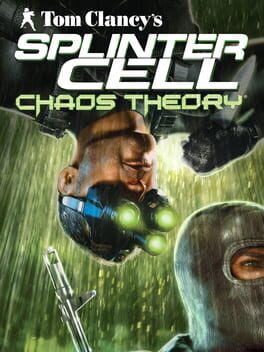
Splinter Cell: Chaos Theory
Optimization · Pure Optimization
Engineering silent passages through layered guard awareness systems using body-stacking and sound tools.
Metal Gear Solid: The Twin Snakes leans Optimization (Pure Optimization); Splinter Cell: Chaos Theory leans Optimization (Pure Optimization).
Metal Gear Solid: The Twin SnakesSplinter Cell: Chaos Theory
Axis by axis
Execution5 vs 5
Same score on execution - which means the number cannot separate them. The difference is in what each one asks of you.
Metal Gear Solid: The Twin Snakes
Boss fights and first-person aiming demand decent hands.
Splinter Cell: Chaos Theory
Rappel aim, hand-over-hand movement, and knockouts require care
Reads1 vs 1
Same score on reads - which means the number cannot separate them. The difference is in what each one asks of you.
Metal Gear Solid: The Twin Snakes
Psycho Mantis only pretends to read you; all scripted.
Splinter Cell: Chaos Theory
Guards talk and investigate on scripted awareness trees
Variance2 vs 3
Splinter Cell: Chaos Theory leans a little harder on variance, though the gap is small.
Metal Gear Solid: The Twin Snakes
Famous tricks are unknown once, then known forever.
Splinter Cell: Chaos Theory
Conversation triggers and item locations hold some first-run uncertainty
Optimization8 vs 9
Splinter Cell: Chaos Theory leans a little harder on optimization, though the gap is small.
Metal Gear Solid: The Twin Snakes
Patrol routes and boss patterns converge to a solved run.
Splinter Cell: Chaos Theory
Sound-state management and multi-approach routing are the core skill
A matching score does not mean a matching test. Two games can both sit at 10 on execution and demand completely different things of you - which is why the reasoning above matters more than the number beside it.