Building comparison
head to head
MetroidvsThe Suffering: Ties That Bind
Neither is harder. They score identically on all four axes, so the difference between them is in kind, not degree.
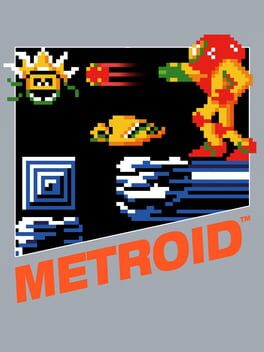
Metroid
Optimization · Practiced Mastery
The 1986 original that defined exploration-driven, secret-riddled platforming.
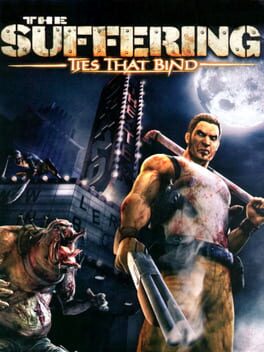
The Suffering: Ties That Bind
Optimization · Practiced Mastery
The sequel takes Torque to Baltimore to fight slavery-themed monsters while his morality shapes the story.
Metroid leans Optimization (Practiced Mastery); The Suffering: Ties That Bind leans Optimization (Practiced Mastery).
MetroidThe Suffering: Ties That Bind
Axis by axis
Execution5 vs 5
Same score on execution - which means the number cannot separate them. The difference is in what each one asks of you.
Metroid
stiff NES jumps and tough enemy contact
The Suffering: Ties That Bind
Gunplay and monster-form brawling demand decent reflexes
Reads0 vs 0
Same score on reads - which means the number cannot separate them. The difference is in what each one asks of you.
Metroid
creatures follow fixed movement
The Suffering: Ties That Bind
Enemy archetypes run scripted behaviour, never adapt
Variance3 vs 3
Same score on variance - which means the number cannot separate them. The difference is in what each one asks of you.
Metroid
unmarked secrets and bombable blocks hide the map
The Suffering: Ties That Bind
Unknown encounters and branching morality first time
Optimization6 vs 6
Same score on optimization - which means the number cannot separate them. The difference is in what each one asks of you.
Metroid
route and item knowledge transforms the game
The Suffering: Ties That Bind
Combat systems and morality routes converge with knowledge
A matching score does not mean a matching test. Two games can both sit at 10 on execution and demand completely different things of you - which is why the reasoning above matters more than the number beside it.