Building comparison
head to head
Might & Magic: Heroes VIvsStar Trek Fleet Command
Neither is meaningfully harder - they pose close to the same test. The widest gap is variance, and it is a single point.
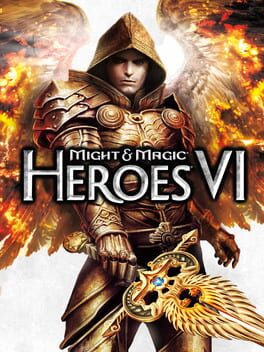
Might & Magic: Heroes VI
Optimization · Pure Optimization
A turn-based strategy game where building the optimal army and economy decides victory.
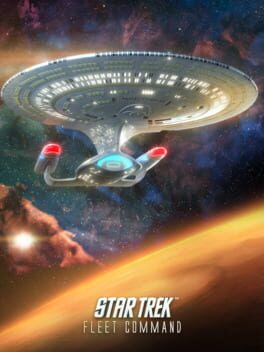
Star Trek Fleet Command
Optimization · Pure Optimization
A timer-and-spreadsheet 4X where officer math and resource pipelines decide everything.
Might & Magic: Heroes VI leans Optimization (Pure Optimization); Star Trek Fleet Command leans Optimization (Pure Optimization).
Might & Magic: Heroes VIStar Trek Fleet Command
Axis by axis
Execution1 vs 1
Same score on execution - which means the number cannot separate them. The difference is in what each one asks of you.
Might & Magic: Heroes VI
no real-time physical skill needed
Star Trek Fleet Command
Menu taps and timers - no hands required
Reads3 vs 3
Same score on reads - which means the number cannot separate them. The difference is in what each one asks of you.
Might & Magic: Heroes VI
predicting human opponent strategy in PvP
Star Trek Fleet Command
Rival alliances raid and retaliate, mildly worth predicting
Variance4 vs 3
Might & Magic: Heroes VI leans a little harder on variance, though the gap is small.
Might & Magic: Heroes VI
combat rolls and map resources random
Star Trek Fleet Command
Loot rolls and unscouted systems add hidden information
Optimization8 vs 7
Might & Magic: Heroes VI leans a little harder on optimization, though the gap is small.
Might & Magic: Heroes VI
army building and economy near-solvable
Star Trek Fleet Command
Officer synergies, ship tiers and resource pipelines are the real game
A matching score does not mean a matching test. Two games can both sit at 10 on execution and demand completely different things of you - which is why the reasoning above matters more than the number beside it.