Building comparison
head to head
Moving OutvsOvercooked
Neither is meaningfully harder - they pose close to the same test. The widest gap is execution, and it is a single point.
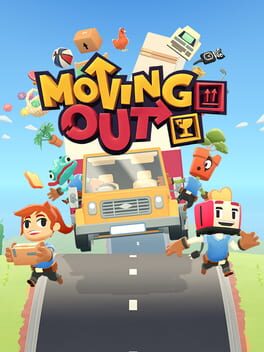
Moving Out
Optimization · Practiced Mastery
A slapstick co-op moving simulator about hurling furniture into a truck against the clock.

Overcooked
Optimization · Practiced Mastery
Chaotic co-op kitchen game solved by ruthless division of labor.
Moving Out leans Optimization (Practiced Mastery); Overcooked leans Optimization (Practiced Mastery).
Moving OutOvercooked
Axis by axis
Execution5 vs 6
Overcooked leans a little harder on execution, though the gap is small.
Moving Out
Physics carrying, throwing, and steering under time pressure
Overcooked
Chopping, carrying, and plating under the clock
Reads0 vs 0
Same score on reads - which means the number cannot separate them. The difference is in what each one asks of you.
Moving Out
No adaptive opposition; pure co-op chaos
Overcooked
Kitchens don't adapt; teammates aren't opponents
Variance2 vs 2
Same score on variance - which means the number cannot separate them. The difference is in what each one asks of you.
Moving Out
Ragdoll physics adds slapstick unpredictability
Overcooked
Order queue randomness within known sets
Optimization6 vs 7
Overcooked leans a little harder on optimization, though the gap is small.
Moving Out
Routing furniture and splitting tasks drives gold times
Overcooked
Station assignment and task routing win stars
A matching score does not mean a matching test. Two games can both sit at 10 on execution and demand completely different things of you - which is why the reasoning above matters more than the number beside it.