Building comparison
head to head
Murdered: Soul SuspectvsTime Hollow
Neither is meaningfully harder - they pose close to the same test. The widest gap is optimization, and it is a single point.
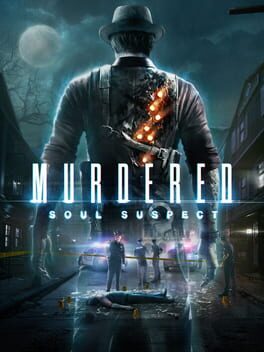
Murdered: Soul Suspect
Optimization · Systems & Chaos
Guided detective clue-hunting with hidden answers and minimal challenge.

Time Hollow
Optimization · Systems & Chaos
A time-travel mystery testing deduction of fixed cause-and-effect puzzle chains.
Murdered: Soul Suspect leans Optimization (Systems & Chaos); Time Hollow leans Optimization (Systems & Chaos).
Murdered: Soul SuspectTime Hollow
Axis by axis
Execution1 vs 1
Same score on execution - which means the number cannot separate them. The difference is in what each one asks of you.
Murdered: Soul Suspect
Walking and clue-clicking; demon stealth is trivial
Time Hollow
Drawing portals with the stylus is trivial
Reads0 vs 0
Same score on reads - which means the number cannot separate them. The difference is in what each one asks of you.
Murdered: Soul Suspect
Demons follow simple fixed patrols
Time Hollow
A fixed mystery plot, no adversary
Variance3 vs 3
Same score on variance - which means the number cannot separate them. The difference is in what each one asks of you.
Murdered: Soul Suspect
Clues and case answers are hidden until found
Time Hollow
Story twists are hidden information on first play
Optimization4 vs 5
Time Hollow leans a little harder on optimization, though the gap is small.
Murdered: Soul Suspect
Deduction sequences are guided puzzles with known answers
Time Hollow
Deducing where and when to open portals is fixed-solution puzzling
A matching score does not mean a matching test. Two games can both sit at 10 on execution and demand completely different things of you - which is why the reasoning above matters more than the number beside it.