Building comparison
head to head
Naruto Shippuden: Ultimate Ninja Storm 4vsSuper Smash Bros. Brawl
Neither is meaningfully harder - they pose close to the same test. The widest gap is execution, and it is a single point.
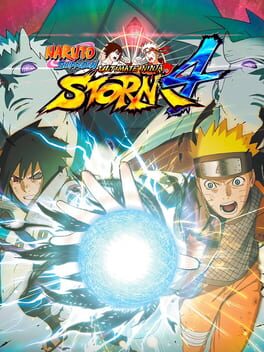
Naruto Shippuden: Ultimate Ninja Storm 4
Reads · Competitive PvP
Anime arena fighter where managing the substitution gauge is the real duel.
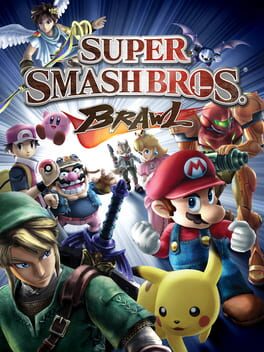
Super Smash Bros. Brawl
Reads · Competitive PvP
The Wii entry whose slower pace and infamous random tripping pushed Smash toward defensive mind games.
Naruto Shippuden: Ultimate Ninja Storm 4 leans Reads (Competitive PvP); Super Smash Bros. Brawl leans Reads (Competitive PvP).
Naruto Shippuden: Ultimate Ninja Storm 4Super Smash Bros. Brawl
Axis by axis
Execution5 vs 6
Super Smash Bros. Brawl leans a little harder on execution, though the gap is small.
Naruto Shippuden: Ultimate Ninja Storm 4
Simple inputs; movement and substitution timing matter
Super Smash Bros. Brawl
Slower engine lowers the ceiling but spacing still needs hands.
Reads6 vs 7
Super Smash Bros. Brawl leans a little harder on reads, though the gap is small.
Naruto Shippuden: Ultimate Ninja Storm 4
Versus humans, baiting substitutions is the core game
Super Smash Bros. Brawl
Defensive bait-and-punish yomi dominates its floaty neutral.
Variance2 vs 3
Super Smash Bros. Brawl leans a little harder on variance, though the gap is small.
Naruto Shippuden: Ultimate Ninja Storm 4
Minor support-assist chaos
Super Smash Bros. Brawl
Random tripping injects genuine uncontrollable RNG into movement.
Optimization4 vs 4
Same score on optimization - which means the number cannot separate them. The difference is in what each one asks of you.
Naruto Shippuden: Ultimate Ninja Storm 4
Team composition and matchup knowledge
Super Smash Bros. Brawl
Matchup knowledge and ledge play reward study within a campy meta.
A matching score does not mean a matching test. Two games can both sit at 10 on execution and demand completely different things of you - which is why the reasoning above matters more than the number beside it.
Related comparisons
Call of Duty: Modern Warfare 2 vs Naruto Shippuden: Ultimate Ninja Storm 4Call of Duty: Modern Warfare 2 vs Super Smash Bros. BrawlCounter-Strike: Global Offensive vs Naruto Shippuden: Ultimate Ninja Storm 4Counter-Strike: Global Offensive vs Super Smash Bros. BrawlCall of Duty: Black Ops vs Naruto Shippuden: Ultimate Ninja Storm 4Call of Duty: Black Ops vs Super Smash Bros. Brawl