Building comparison
head to head
Ni no Kuni II: Revenant KingdomvsThe Legend of Zelda: Oracle of Ages
Neither is harder. They score identically on all four axes, so the difference between them is in kind, not degree.
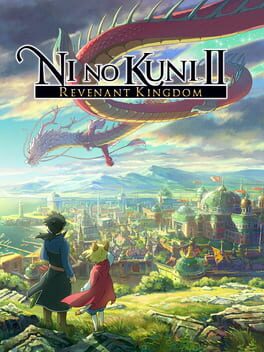
Ni no Kuni II: Revenant Kingdom
Optimization · Pure Optimization
Gentle action JRPG where building your kingdom matters more than any battle.
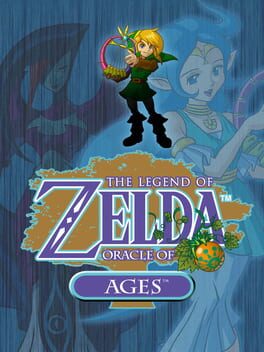
The Legend of Zelda: Oracle of Ages
Optimization · Pure Optimization
The puzzle-focused Game Boy Color Zelda built around hopping between two eras.
Ni no Kuni II: Revenant Kingdom leans Optimization (Pure Optimization); The Legend of Zelda: Oracle of Ages leans Optimization (Pure Optimization).
Ni no Kuni II: Revenant KingdomThe Legend of Zelda: Oracle of Ages
Axis by axis
Execution3 vs 3
Same score on execution - which means the number cannot separate them. The difference is in what each one asks of you.
Ni no Kuni II: Revenant Kingdom
Simple action combat, rarely demanding
The Legend of Zelda: Oracle of Ages
Modest combat demands by Zelda standards
Reads0 vs 0
Same score on reads - which means the number cannot separate them. The difference is in what each one asks of you.
Ni no Kuni II: Revenant Kingdom
No adaptive opposition anywhere
The Legend of Zelda: Oracle of Ages
All enemies follow fixed patterns
Variance2 vs 2
Same score on variance - which means the number cannot separate them. The difference is in what each one asks of you.
Ni no Kuni II: Revenant Kingdom
Minor equipment drop randomness
The Legend of Zelda: Oracle of Ages
Secrets hidden only until mapped
Optimization7 vs 7
Same score on optimization - which means the number cannot separate them. The difference is in what each one asks of you.
Ni no Kuni II: Revenant Kingdom
Kingdom building and citizen recruitment dominate progression
The Legend of Zelda: Oracle of Ages
Time-travel puzzles are the deliberate core test
A matching score does not mean a matching test. Two games can both sit at 10 on execution and demand completely different things of you - which is why the reasoning above matters more than the number beside it.
Related comparisons
Ni no Kuni II: Revenant Kingdom vs Portal 2Portal 2 vs The Legend of Zelda: Oracle of AgesNi no Kuni II: Revenant Kingdom vs The Elder Scrolls V: SkyrimThe Elder Scrolls V: Skyrim vs The Legend of Zelda: Oracle of AgesNi no Kuni II: Revenant Kingdom vs PortalPortal vs The Legend of Zelda: Oracle of Ages