Building comparison
head to head
Ni no Kuni: Wrath of the White WitchvsPaper Mario: The Thousand-Year Door
Neither is meaningfully harder - they pose close to the same test. The widest gap is execution, and it is a single point.
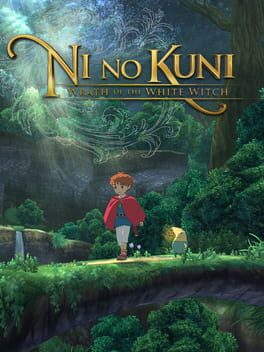
Ni no Kuni: Wrath of the White Witch
Optimization · Pure Optimization
A charming JRPG carried by familiar evolution and party-build routing.
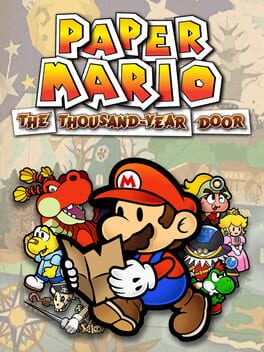
Paper Mario: The Thousand-Year Door
Optimization · Pure Optimization
A beloved turn-based RPG with theatrical combat.
Ni no Kuni: Wrath of the White Witch leans Optimization (Pure Optimization); Paper Mario: The Thousand-Year Door leans Optimization (Pure Optimization).
Ni no Kuni: Wrath of the White WitchPaper Mario: The Thousand-Year Door
Axis by axis
Execution2 vs 3
Paper Mario: The Thousand-Year Door leans a little harder on execution, though the gap is small.
Ni no Kuni: Wrath of the White Witch
Hybrid action-turn combat, low input demand
Paper Mario: The Thousand-Year Door
Action commands and stylish moves
Reads1 vs 2
Paper Mario: The Thousand-Year Door leans a little harder on reads, though the gap is small.
Ni no Kuni: Wrath of the White Witch
Scripted enemies
Paper Mario: The Thousand-Year Door
Scripted enemy AI
Variance3 vs 3
Same score on variance - which means the number cannot separate them. The difference is in what each one asks of you.
Ni no Kuni: Wrath of the White Witch
Familiar catch and drop rolls
Paper Mario: The Thousand-Year Door
Audience and badge effects
Optimization7 vs 7
Same score on optimization - which means the number cannot separate them. The difference is in what each one asks of you.
Ni no Kuni: Wrath of the White Witch
Familiar evolution and party routing rewarded
Paper Mario: The Thousand-Year Door
Badge builds and partner tactics
A matching score does not mean a matching test. Two games can both sit at 10 on execution and demand completely different things of you - which is why the reasoning above matters more than the number beside it.
full breakdown
Ni no Kuni: Wrath of the White Witch →
full breakdown
Paper Mario: The Thousand-Year Door →
Related comparisons
Ni no Kuni: Wrath of the White Witch vs Portal 2Paper Mario: The Thousand-Year Door vs Portal 2Ni no Kuni: Wrath of the White Witch vs The Elder Scrolls V: SkyrimPaper Mario: The Thousand-Year Door vs The Elder Scrolls V: SkyrimNi no Kuni: Wrath of the White Witch vs PortalPaper Mario: The Thousand-Year Door vs Portal