Building comparison
head to head
Night in the WoodsvsSeasons after Fall
Neither is meaningfully harder - they pose close to the same test. The widest gap is optimization, and it is a single point.
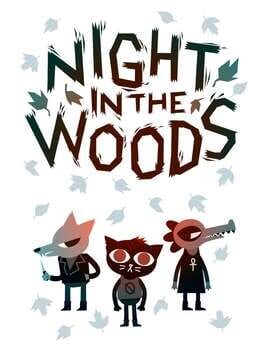
Night in the Woods
Optimization · Practiced Mastery
A character-driven slice-of-life game testing emotional attentiveness rather than puzzle solving.

Seasons after Fall
Optimization · Pure Optimization
A calm test of figuring out season-switching environmental puzzles.
Night in the Woods leans Optimization (Practiced Mastery); Seasons after Fall leans Optimization (Pure Optimization).
Night in the WoodsSeasons after Fall
Axis by axis
Execution2 vs 2
Same score on execution - which means the number cannot separate them. The difference is in what each one asks of you.
Night in the Woods
Platforming and mini-games add light motor demands
Seasons after Fall
Relaxed platforming with no fail-pressure
Reads0 vs 0
Same score on reads - which means the number cannot separate them. The difference is in what each one asks of you.
Night in the Woods
Scripted small-town narrative; no adaptive opponents
Seasons after Fall
No enemies or opponents at all
Variance1 vs 1
Same score on variance - which means the number cannot separate them. The difference is in what each one asks of you.
Night in the Woods
Minimal randomness; story beats are authored
Seasons after Fall
World is fixed, nothing random
Optimization4 vs 5
Seasons after Fall leans a little harder on optimization, though the gap is small.
Night in the Woods
Dialogue and exploration have no puzzle layer to solve systematically
Seasons after Fall
Season-switching puzzles have single intended solutions
A matching score does not mean a matching test. Two games can both sit at 10 on execution and demand completely different things of you - which is why the reasoning above matters more than the number beside it.