Building comparison
head to head
Persona 4vsStranger of Sword City
Neither is meaningfully harder - they pose close to the same test. The widest gap is variance, and it is a single point.
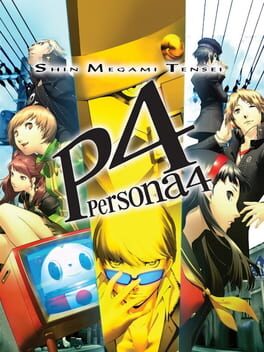
Persona 4
Optimization · Pure Optimization
Small-town murder-mystery JRPG balancing friendships by day and TV-world dungeons by night.
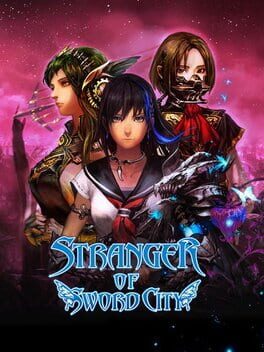
Stranger of Sword City
Optimization · Pure Optimization
Party-build optimisation and risk management in a punishing turn-based dungeon crawl.
Persona 4 leans Optimization (Pure Optimization); Stranger of Sword City leans Optimization (Pure Optimization).
Persona 4Stranger of Sword City
Axis by axis
Execution1 vs 1
Same score on execution - which means the number cannot separate them. The difference is in what each one asks of you.
Persona 4
Menu combat; zero dexterity
Stranger of Sword City
Turn-based menus carry no physical demand
Reads0 vs 0
Same score on reads - which means the number cannot separate them. The difference is in what each one asks of you.
Persona 4
Shadow bosses use scripted patterns
Stranger of Sword City
Monsters follow fixed logic with no adaptation
Variance4 vs 5
Stranger of Sword City leans a little harder on variance, though the gap is small.
Persona 4
Randomized dungeon floors and fusion rolls
Stranger of Sword City
Encounter rolls, drops and permadeath risk shape runs
Optimization8 vs 8
Same score on optimization - which means the number cannot separate them. The difference is in what each one asks of you.
Persona 4
Social link scheduling and weakness-exploit planning
Stranger of Sword City
Party builds, class changes and risk management are the game
A matching score does not mean a matching test. Two games can both sit at 10 on execution and demand completely different things of you - which is why the reasoning above matters more than the number beside it.