Building comparison
head to head
Planet CoastervsThief: The Dark Project
Neither is meaningfully harder - they pose close to the same test. The widest gap is variance, and it is a single point.
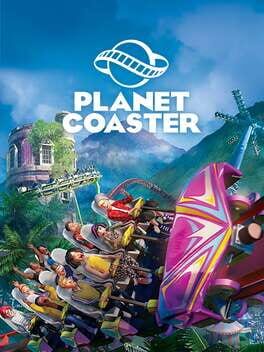
Planet Coaster
Optimization · Pure Optimization
Designing and optimizing a theme park's layout, pricing, and guest flow to maximize satisfaction and profit.
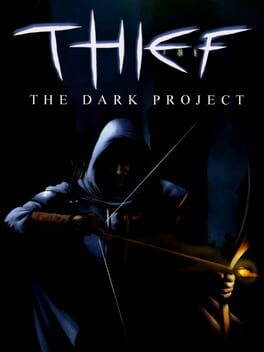
Thief: The Dark Project
Optimization · Pure Optimization
A stealth game demanding meticulous route planning and equipment management to avoid guards who cannot be reliably fought.
Planet Coaster leans Optimization (Pure Optimization); Thief: The Dark Project leans Optimization (Pure Optimization).
Planet CoasterThief: The Dark Project
Axis by axis
Execution3 vs 3
Same score on execution - which means the number cannot separate them. The difference is in what each one asks of you.
Planet Coaster
Precise track and scenery placement rewards manual dexterity
Thief: The Dark Project
Combat is deliberately weak; sword timing matters only as last resort
Reads0 vs 0
Same score on reads - which means the number cannot separate them. The difference is in what each one asks of you.
Planet Coaster
No adaptive opponent; guests follow scripted happiness rules
Thief: The Dark Project
Guards use scripted patrol routes with no adaptive player modelling
Variance2 vs 3
Thief: The Dark Project leans a little harder on variance, though the gap is small.
Planet Coaster
Guest mood noise is low and quickly mappable
Thief: The Dark Project
Guard alert states and random patrol timings introduce mission variance
Optimization8 vs 8
Same score on optimization - which means the number cannot separate them. The difference is in what each one asks of you.
Planet Coaster
Queue routing, pricing, and ride placement are the solvable core
Thief: The Dark Project
Route planning, equipment loadout, and objective prioritisation are deeply solvable
A matching score does not mean a matching test. Two games can both sit at 10 on execution and demand completely different things of you - which is why the reasoning above matters more than the number beside it.