Building comparison
head to head
Plants vs. Zombies: Battle for NeighborvillevsSuper Smash Bros. Melee
Super Smash Bros. Melee asks more than Plants vs. Zombies: Battle for Neighborville, and the gap is reads.
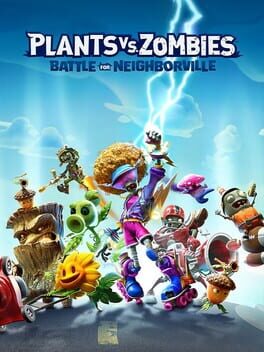
Plants vs. Zombies: Battle for Neighborville
Execution · Competitive PvP
A class-based shooter spin-off of the tower-defense series with PvP and co-op modes.
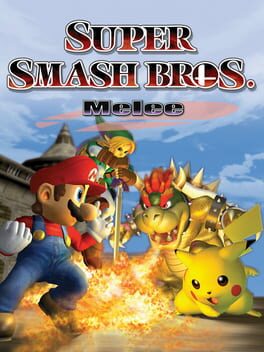
Super Smash Bros. Melee
Execution · Competitive PvP
A platform fighter with one of the highest execution ceilings in any competitive game, layered on top of deep human reads.
Plants vs. Zombies: Battle for Neighborville leans Execution (Competitive PvP); Super Smash Bros. Melee leans Execution (Competitive PvP).
Plants vs. Zombies: Battle for NeighborvilleSuper Smash Bros. Melee
Axis by axis
Execution7 vs 10
Super Smash Bros. Melee leans clearly harder on execution.
Plants vs. Zombies: Battle for Neighborville
aim and movement in class-based shooter combat
Super Smash Bros. Melee
Wavedashing, L-cancels, and tech-chasing set an extreme physical ceiling
Reads5 vs 9
Super Smash Bros. Melee leans clearly harder on reads.
Plants vs. Zombies: Battle for Neighborville
predicting human opponents' pushes and flanks
Super Smash Bros. Melee
Reading DI choices and opponent adaptive habits is constant and non-convergent
Variance2 vs 2
Same score on variance - which means the number cannot separate them. The difference is in what each one asks of you.
Plants vs. Zombies: Battle for Neighborville
minor loot and spawn randomness
Super Smash Bros. Melee
Stage hazard RNG and spawn positions add marginal chaos
Optimization5 vs 6
Super Smash Bros. Melee leans a little harder on optimization, though the gap is small.
Plants vs. Zombies: Battle for Neighborville
class builds and lane strategy are solvable
Super Smash Bros. Melee
Character matchup tiers and optimal movement routing are deeply studied
A matching score does not mean a matching test. Two games can both sit at 10 on execution and demand completely different things of you - which is why the reasoning above matters more than the number beside it.
Related comparisons
Call of Duty: Modern Warfare 2 vs Plants vs. Zombies: Battle for NeighborvilleCall of Duty: Modern Warfare 2 vs Super Smash Bros. MeleeCounter-Strike: Global Offensive vs Plants vs. Zombies: Battle for NeighborvilleCounter-Strike: Global Offensive vs Super Smash Bros. MeleeCall of Duty: Black Ops vs Plants vs. Zombies: Battle for NeighborvilleCall of Duty: Black Ops vs Super Smash Bros. Melee