Building comparison
head to head
Professor Layton and the Curious VillagevsScratches
Neither is meaningfully harder - they pose close to the same test. The widest gap is optimization, and it is a single point.
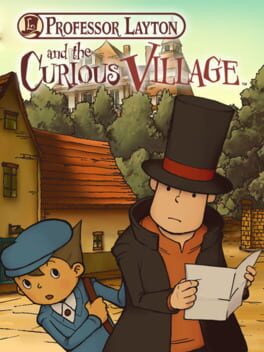
Professor Layton and the Curious Village
Optimization · Pure Optimization
Gentleman puzzler solves a village full of standalone brainteasers.

Scratches
Optimization · Pure Optimization
A slow-burn first-person adventure investigating strange scratching sounds in an isolated Victorian mansion.
Professor Layton and the Curious Village leans Optimization (Pure Optimization); Scratches leans Optimization (Pure Optimization).
Professor Layton and the Curious VillageScratches
Axis by axis
Execution1 vs 1
Same score on execution - which means the number cannot separate them. The difference is in what each one asks of you.
Professor Layton and the Curious Village
Stylus taps only; no dexterity pressure at all
Scratches
First-person point-and-click input is physically trivial
Reads0 vs 0
Same score on reads - which means the number cannot separate them. The difference is in what each one asks of you.
Professor Layton and the Curious Village
No opponent, adaptive or otherwise
Scratches
No opponents at all, only an empty haunted estate
Variance2 vs 2
Same score on variance - which means the number cannot separate them. The difference is in what each one asks of you.
Professor Layton and the Curious Village
Puzzle answers are hidden until reasoned out, then fixed
Scratches
The mystery's hidden answers drive a blind first run
Optimization8 vs 7
Professor Layton and the Curious Village leans a little harder on optimization, though the gap is small.
Professor Layton and the Curious Village
Every brainteaser has one clean solvable answer
Scratches
Investigation puzzles resolve to one fixed solution path
A matching score does not mean a matching test. Two games can both sit at 10 on execution and demand completely different things of you - which is why the reasoning above matters more than the number beside it.