Building comparison
head to head
Professor Layton and the Curious VillagevsTown Star
Neither is harder. They score identically on all four axes, so the difference between them is in kind, not degree.
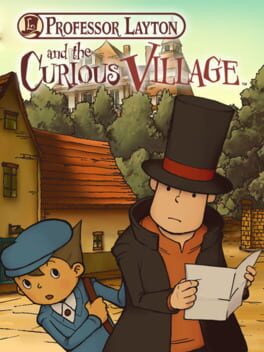
Professor Layton and the Curious Village
Optimization · Pure Optimization
Gentleman puzzler solves a village full of standalone brainteasers.

Town Star
Optimization · Pure Optimization
Optimising production chains and placement economics against a leaderboard clock.
Professor Layton and the Curious Village leans Optimization (Pure Optimization); Town Star leans Optimization (Pure Optimization).
Professor Layton and the Curious VillageTown Star
Axis by axis
Execution1 vs 1
Same score on execution - which means the number cannot separate them. The difference is in what each one asks of you.
Professor Layton and the Curious Village
Stylus taps only; no dexterity pressure at all
Town Star
Placing buildings has no dexterity demand
Reads0 vs 0
Same score on reads - which means the number cannot separate them. The difference is in what each one asks of you.
Professor Layton and the Curious Village
No opponent, adaptive or otherwise
Town Star
Competition is leaderboard-parallel, not interactive prediction
Variance2 vs 2
Same score on variance - which means the number cannot separate them. The difference is in what each one asks of you.
Professor Layton and the Curious Village
Puzzle answers are hidden until reasoned out, then fixed
Town Star
Map spots differ slightly between starts
Optimization8 vs 8
Same score on optimization - which means the number cannot separate them. The difference is in what each one asks of you.
Professor Layton and the Curious Village
Every brainteaser has one clean solvable answer
Town Star
Production chains, worker flow and placement maths decide everything
A matching score does not mean a matching test. Two games can both sit at 10 on execution and demand completely different things of you - which is why the reasoning above matters more than the number beside it.