Building comparison
head to head
Professor Layton and the Unwound FuturevsThe Room Two
Neither is harder. They score identically on all four axes, so the difference between them is in kind, not degree.

Professor Layton and the Unwound Future
Optimization · Pure Optimization
Time-travel mystery wrapped around another batch of self-contained logic puzzles.
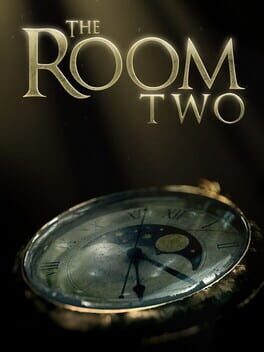
The Room Two
Optimization · Pure Optimization
The sequel expands the mechanical puzzle boxes into full eerie rooms spanning crypts, ships, and seances.
Professor Layton and the Unwound Future leans Optimization (Pure Optimization); The Room Two leans Optimization (Pure Optimization).
Professor Layton and the Unwound FutureThe Room Two
Axis by axis
Execution1 vs 1
Same score on execution - which means the number cannot separate them. The difference is in what each one asks of you.
Professor Layton and the Unwound Future
Touchscreen inputs carry no mechanical demand
The Room Two
Slow tactile fiddling, zero dexterity bar
Reads0 vs 0
Same score on reads - which means the number cannot separate them. The difference is in what each one asks of you.
Professor Layton and the Unwound Future
Story antagonists never adapt to the player
The Room Two
No opponent exists
Variance2 vs 2
Same score on variance - which means the number cannot separate them. The difference is in what each one asks of you.
Professor Layton and the Unwound Future
Unknown puzzle answers, fully fixed once deduced
The Room Two
Unknown contraptions until explored, then fixed
Optimization8 vs 8
Same score on optimization - which means the number cannot separate them. The difference is in what each one asks of you.
Professor Layton and the Unwound Future
Logic puzzles are pure solvable reasoning
The Room Two
Fixed mechanical puzzles with single deducible solutions
A matching score does not mean a matching test. Two games can both sit at 10 on execution and demand completely different things of you - which is why the reasoning above matters more than the number beside it.