Building comparison
head to head
rFactor 2vsSekiro: Shadows Die Twice
rFactor 2 asks more than Sekiro: Shadows Die Twice, and the gap is variance.

rFactor 2
Execution · Pure Mechanics
A simulation-grade racer whose living track surface rewards total car-control mastery.
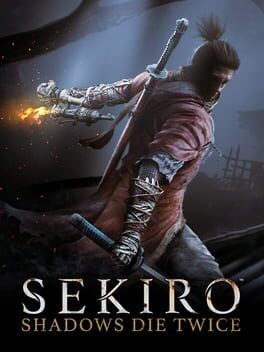
Sekiro: Shadows Die Twice
Execution · Practiced Mastery
A rhythm-parry action game about reading scripted tells with frame-tight timing.
rFactor 2 leans Execution (Pure Mechanics); Sekiro: Shadows Die Twice leans Execution (Practiced Mastery).
rFactor 2Sekiro: Shadows Die Twice
Axis by axis
Execution10 vs 9
rFactor 2 leans a little harder on execution, though the gap is small.
rFactor 2
Industry-leading tyre model rewards only perfect inputs
Sekiro: Shadows Die Twice
Frame-perfect parries are the entire combat system.
Reads2 vs 2
Same score on reads - which means the number cannot separate them. The difference is in what each one asks of you.
rFactor 2
Competitive lobbies require some opponent anticipation
Sekiro: Shadows Die Twice
Mikiri and perilous tells are scripted, not adaptive.
Variance2 vs 0
rFactor 2 leans clearly harder on variance.
rFactor 2
Live track rubber and weather evolve in non-obvious ways
Sekiro: Shadows Die Twice
Almost no randomness; encounters are deterministic.
Optimization7 vs 7
Same score on optimization - which means the number cannot separate them. The difference is in what each one asks of you.
rFactor 2
Car setup depth rivals real engineering; fully solvable by experts
Sekiro: Shadows Die Twice
Boss decks and prosthetic choices are fully learnable.
A matching score does not mean a matching test. Two games can both sit at 10 on execution and demand completely different things of you - which is why the reasoning above matters more than the number beside it.