Building comparison
head to head
Rise of the Tomb RaidervsThe Legend of Zelda: Oracle of Seasons
Neither is harder. They score identically on all four axes, so the difference between them is in kind, not degree.
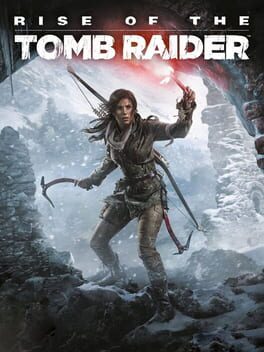
Rise of the Tomb Raider
Optimization · Practiced Mastery
Lara raids Siberian tombs in a stealth-action adventure heavy on puzzles.
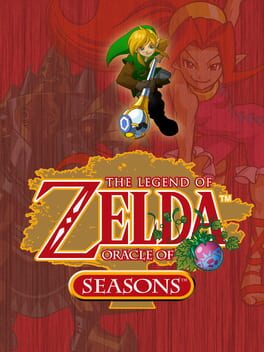
The Legend of Zelda: Oracle of Seasons
Optimization · Practiced Mastery
The action-leaning Game Boy Color Zelda where rotating the seasons reshapes the overworld.
Rise of the Tomb Raider leans Optimization (Practiced Mastery); The Legend of Zelda: Oracle of Seasons leans Optimization (Practiced Mastery).
Rise of the Tomb RaiderThe Legend of Zelda: Oracle of Seasons
Axis by axis
Execution5 vs 5
Same score on execution - which means the number cannot separate them. The difference is in what each one asks of you.
Rise of the Tomb Raider
Bow aim, stealth timing, and platforming sequences.
The Legend of Zelda: Oracle of Seasons
The combat-heavy Oracle with denser action
Reads0 vs 0
Same score on reads - which means the number cannot separate them. The difference is in what each one asks of you.
Rise of the Tomb Raider
Guards follow predictable patrol scripts.
The Legend of Zelda: Oracle of Seasons
Bosses run scripted patterns
Variance2 vs 2
Same score on variance - which means the number cannot separate them. The difference is in what each one asks of you.
Rise of the Tomb Raider
Tomb unknowns dissolve after one visit.
The Legend of Zelda: Oracle of Seasons
Hidden seasonal secrets before discovery
Optimization6 vs 6
Same score on optimization - which means the number cannot separate them. The difference is in what each one asks of you.
Rise of the Tomb Raider
Tomb puzzles, crafting, and collectible routing are solvable.
The Legend of Zelda: Oracle of Seasons
Season-switching puzzles and dungeon logic
A matching score does not mean a matching test. Two games can both sit at 10 on execution and demand completely different things of you - which is why the reasoning above matters more than the number beside it.
Related comparisons
Grand Theft Auto V vs Rise of the Tomb RaiderGrand Theft Auto V vs The Legend of Zelda: Oracle of SeasonsRise of the Tomb Raider vs The Witcher 3: Wild HuntThe Legend of Zelda: Oracle of Seasons vs The Witcher 3: Wild HuntGrand Theft Auto: San Andreas vs Rise of the Tomb RaiderGrand Theft Auto: San Andreas vs The Legend of Zelda: Oracle of Seasons