Building comparison
head to head
Rogue CompanyvsUltimate Chicken Horse
Neither is harder. They score identically on all four axes, so the difference between them is in kind, not degree.

Rogue Company
Execution · Competitive PvP
Round-based gunfights where aim and predicting human site plays carry games.
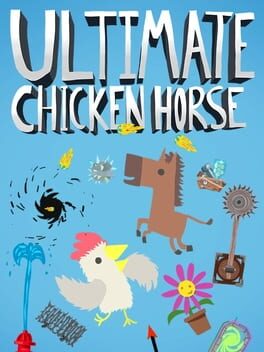
Ultimate Chicken Horse
Execution · Competitive PvP
A competitive party platformer where placing obstacles to block others while surviving your own traps tests both execution and social prediction.
Rogue Company leans Execution (Competitive PvP); Ultimate Chicken Horse leans Execution (Competitive PvP).
Rogue CompanyUltimate Chicken Horse
Axis by axis
Execution7 vs 7
Same score on execution - which means the number cannot separate them. The difference is in what each one asks of you.
Rogue Company
Third-person gunfights and movement decide rounds
Ultimate Chicken Horse
Precise platforming through player-built obstacle courses is the ceiling
Reads6 vs 6
Same score on reads - which means the number cannot separate them. The difference is in what each one asks of you.
Rogue Company
Round-based PvP rewards predicting site hits and peeks
Ultimate Chicken Horse
Predicting what obstacles opponents will place is genuine social reads
Variance2 vs 2
Same score on variance - which means the number cannot separate them. The difference is in what each one asks of you.
Rogue Company
Mild spread and ability randomness only
Ultimate Chicken Horse
Block placement creates novel layouts each round
Optimization4 vs 4
Same score on optimization - which means the number cannot separate them. The difference is in what each one asks of you.
Rogue Company
Economy buys and ability synergies are learnable structure
Ultimate Chicken Horse
Optimal obstacle placement strategies are learnable over sessions
A matching score does not mean a matching test. Two games can both sit at 10 on execution and demand completely different things of you - which is why the reasoning above matters more than the number beside it.