Building comparison
head to head
Rogue Legacy 2vsSystem Shock (1994)
Neither is meaningfully harder - they pose close to the same test. The widest gap is variance, and it is a single point.

Rogue Legacy 2
Optimization · Practiced Mastery
A tighter sequel that raises execution demands while deepening the build and meta-progression systems.
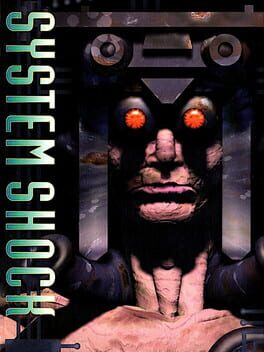
System Shock (1994)
Optimization · Practiced Mastery
A complex immersive sim that rewards meticulous resource management and environmental puzzle solving over raw shooting skill.
Rogue Legacy 2 leans Optimization (Practiced Mastery); System Shock (1994) leans Optimization (Practiced Mastery).
Rogue Legacy 2System Shock (1994)
Axis by axis
Execution6 vs 6
Same score on execution - which means the number cannot separate them. The difference is in what each one asks of you.
Rogue Legacy 2
More demanding platforming and combat than the original
System Shock (1994)
Moderate aim demands with stamina and leaning mechanics as execution layer
Reads0 vs 0
Same score on reads - which means the number cannot separate them. The difference is in what each one asks of you.
Rogue Legacy 2
All enemies follow learned scripted patterns
System Shock (1994)
All enemies are scripted cyborgs and mutants with no adaptation
Variance5 vs 4
Rogue Legacy 2 leans a little harder on variance, though the gap is small.
Rogue Legacy 2
Class randomisation and relic pools create divergent runs
System Shock (1994)
SHODAN camera placement and event triggers are opaque until mapped
Optimization7 vs 8
System Shock (1994) leans a little harder on optimization, though the gap is small.
Rogue Legacy 2
Heirloom upgrades and class mastery form a deep meta-progression system
System Shock (1994)
Hacking, resource management, and log routing form deep solvable systems
A matching score does not mean a matching test. Two games can both sit at 10 on execution and demand completely different things of you - which is why the reasoning above matters more than the number beside it.