Building comparison
head to head
Shadow Tactics: Blades of the ShogunvsSplinter Cell: Chaos Theory
Neither is meaningfully harder - they pose close to the same test. The widest gap is execution, and it is a single point.
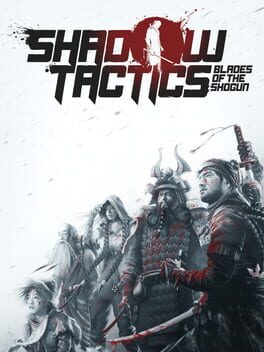
Shadow Tactics: Blades of the Shogun
Optimization · Practiced Mastery
Precisely timing simultaneous character actions to execute optimal stealth routes through fixed guard patterns.
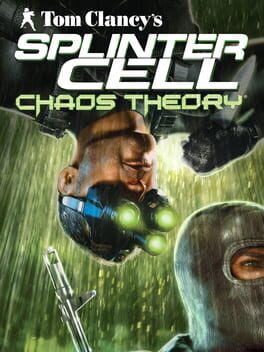
Splinter Cell: Chaos Theory
Optimization · Pure Optimization
Engineering silent passages through layered guard awareness systems using body-stacking and sound tools.
Shadow Tactics: Blades of the Shogun leans Optimization (Practiced Mastery); Splinter Cell: Chaos Theory leans Optimization (Pure Optimization).
Shadow Tactics: Blades of the ShogunSplinter Cell: Chaos Theory
Axis by axis
Execution6 vs 5
Shadow Tactics: Blades of the Shogun leans a little harder on execution, though the gap is small.
Shadow Tactics: Blades of the Shogun
Precise timing windows on simultaneous multi-character abilities matter
Splinter Cell: Chaos Theory
Rappel aim, hand-over-hand movement, and knockouts require care
Reads1 vs 1
Same score on reads - which means the number cannot separate them. The difference is in what each one asks of you.
Shadow Tactics: Blades of the Shogun
Guard patrol routes are fixed; no opponent models you
Splinter Cell: Chaos Theory
Guards talk and investigate on scripted awareness trees
Variance3 vs 3
Same score on variance - which means the number cannot separate them. The difference is in what each one asks of you.
Shadow Tactics: Blades of the Shogun
Guard cone randomness is minimal once patterns are learned
Splinter Cell: Chaos Theory
Conversation triggers and item locations hold some first-run uncertainty
Optimization8 vs 9
Splinter Cell: Chaos Theory leans a little harder on optimization, though the gap is small.
Shadow Tactics: Blades of the Shogun
Route planning and ability combo sequencing reduce to near-perfect solutions
Splinter Cell: Chaos Theory
Sound-state management and multi-approach routing are the core skill
A matching score does not mean a matching test. Two games can both sit at 10 on execution and demand completely different things of you - which is why the reasoning above matters more than the number beside it.
Related comparisons
Grand Theft Auto V vs Shadow Tactics: Blades of the ShogunPortal 2 vs Splinter Cell: Chaos TheoryShadow Tactics: Blades of the Shogun vs The Witcher 3: Wild HuntSplinter Cell: Chaos Theory vs The Elder Scrolls V: SkyrimGrand Theft Auto: San Andreas vs Shadow Tactics: Blades of the ShogunPortal vs Splinter Cell: Chaos Theory