Building comparison
head to head
Shadows of the DamnedvsThe Witcher 3: Wild Hunt
Shadows of the Damned asks more than The Witcher 3: Wild Hunt, and the gap is execution.
Shadows of the Damned
Shadows of the Damned
Execution · Practiced Mastery
Aiming under pressure while learning fixed demon patterns and light-versus-dark puzzle rules.
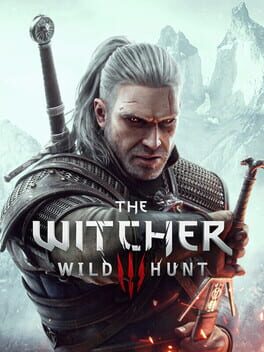
The Witcher 3: Wild Hunt
Optimization · Practiced Mastery
A narrative action RPG where build planning matters more than reflex execution.
Shadows of the Damned leans Execution (Practiced Mastery); The Witcher 3: Wild Hunt leans Optimization (Practiced Mastery).
Shadows of the DamnedThe Witcher 3: Wild Hunt
Axis by axis
Execution6 vs 4
Shadows of the Damned leans clearly harder on execution.
Shadows of the Damned
Third-person aim and dodge timing carry every demon fight
The Witcher 3: Wild Hunt
Combat timing matters but generous dodges forgive sloppy play.
Reads1 vs 1
Same score on reads - which means the number cannot separate them. The difference is in what each one asks of you.
Shadows of the Damned
Demons and bosses run fixed patterns, nothing adapts
The Witcher 3: Wild Hunt
Enemies use fixed AI behaviours; no adaptation.
Variance2 vs 2
Same score on variance - which means the number cannot separate them. The difference is in what each one asks of you.
Shadows of the Damned
Encounters are scripted; little randomness once seen
The Witcher 3: Wild Hunt
Loot rolls and minor combat variance only.
Optimization5 vs 6
The Witcher 3: Wild Hunt leans a little harder on optimization, though the gap is small.
Shadows of the Damned
Learning boss patterns and light-dark mechanics solves each fight
The Witcher 3: Wild Hunt
Builds, alchemy, and quest routing reward planning.
A matching score does not mean a matching test. Two games can both sit at 10 on execution and demand completely different things of you - which is why the reasoning above matters more than the number beside it.