Building comparison
head to head
ShenmuevsSmuta
Neither is meaningfully harder - they pose close to the same test. The widest gap is variance, and it is a single point.
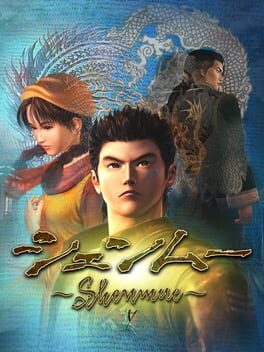
Shenmue
Optimization · Practiced Mastery
Slow-burn revenge adventure built on daily routines, detective legwork, and QTEs in 1986 Yokosuka.
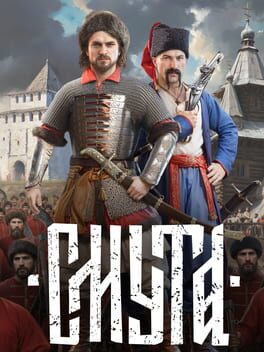
Smuta
Optimization · Practiced Mastery
A surreal narrative-adventure title where exploration and light puzzle systems dominate.
Shenmue leans Optimization (Practiced Mastery); Smuta leans Optimization (Practiced Mastery).
ShenmueSmuta
Axis by axis
Execution3 vs 3
Same score on execution - which means the number cannot separate them. The difference is in what each one asks of you.
Shenmue
QTEs and light brawling demand modest timing
Smuta
light platforming/action control demands
Reads0 vs 0
Same score on reads - which means the number cannot separate them. The difference is in what each one asks of you.
Shenmue
NPCs run daily scripts; nothing adapts to you
Smuta
no adaptive opposing agent present
Variance2 vs 3
Smuta leans a little harder on variance, though the gap is small.
Shenmue
First playthrough leans on not knowing schedules and clues
Smuta
surreal randomized events and outcomes
Optimization5 vs 4
Shenmue leans a little harder on optimization, though the gap is small.
Shenmue
Clue order, NPC schedules, and move training are fully mappable
Smuta
progression and puzzle-system solving
A matching score does not mean a matching test. Two games can both sit at 10 on execution and demand completely different things of you - which is why the reasoning above matters more than the number beside it.