Building comparison
head to head
Sonic 3D BlastvsTeenage Mutant Ninja Turtles II: The Arcade Game
Neither is harder. They score identically on all four axes, so the difference between them is in kind, not degree.
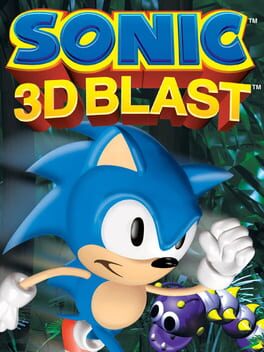
Sonic 3D Blast
Execution · Practiced Mastery
Isometric movement control while herding Flickies along memorised routes.
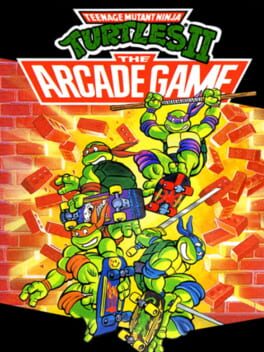
Teenage Mutant Ninja Turtles II: The Arcade Game
Execution · Practiced Mastery
Arcade brawler positioning and stamina against memorisable enemy waves.
Sonic 3D Blast leans Execution (Practiced Mastery); Teenage Mutant Ninja Turtles II: The Arcade Game leans Execution (Practiced Mastery).
Sonic 3D BlastTeenage Mutant Ninja Turtles II: The Arcade Game
Axis by axis
Execution6 vs 6
Same score on execution - which means the number cannot separate them. The difference is in what each one asks of you.
Sonic 3D Blast
Isometric momentum control and Flicky herding need precise movement
Teenage Mutant Ninja Turtles II: The Arcade Game
Crowd control timing and positioning under constant pressure
Reads0 vs 0
Same score on reads - which means the number cannot separate them. The difference is in what each one asks of you.
Sonic 3D Blast
Robotnik bosses run fixed patterns
Teenage Mutant Ninja Turtles II: The Arcade Game
Foot Clan waves are quarter-munching scripts
Variance1 vs 1
Same score on variance - which means the number cannot separate them. The difference is in what each one asks of you.
Sonic 3D Blast
Flicky and badnik placements never change
Teenage Mutant Ninja Turtles II: The Arcade Game
Spawns are fixed and memorisable
Optimization4 vs 4
Same score on optimization - which means the number cannot separate them. The difference is in what each one asks of you.
Sonic 3D Blast
Routing each zone for Flickies and emeralds is learnable
Teenage Mutant Ninja Turtles II: The Arcade Game
Learning safe spots and boss patterns is the progression
A matching score does not mean a matching test. Two games can both sit at 10 on execution and demand completely different things of you - which is why the reasoning above matters more than the number beside it.
Related comparisons
Grand Theft Auto V vs Sonic 3D BlastGrand Theft Auto V vs Teenage Mutant Ninja Turtles II: The Arcade GameSonic 3D Blast vs The Witcher 3: Wild HuntTeenage Mutant Ninja Turtles II: The Arcade Game vs The Witcher 3: Wild HuntGrand Theft Auto: San Andreas vs Sonic 3D BlastGrand Theft Auto: San Andreas vs Teenage Mutant Ninja Turtles II: The Arcade Game