Building comparison
head to head
Split FictionvsTom Clancy's Ghost Recon: Future Soldier
Neither is meaningfully harder - they pose close to the same test. The widest gap is reads, and it is a single point.
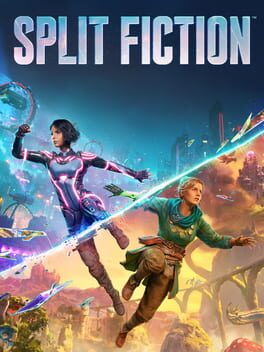
Split Fiction
Execution · Practiced Mastery
A co-op adventure that relentlessly cycles through genres, demanding precise execution and partner synchronisation in each new mechanical context.
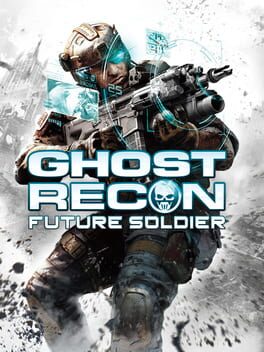
Tom Clancy's Ghost Recon: Future Soldier
Execution · Practiced Mastery
Tactical shooter precision built around planned approaches and synchronised takedowns.
Split Fiction leans Execution (Practiced Mastery); Tom Clancy's Ghost Recon: Future Soldier leans Execution (Practiced Mastery).
Split FictionTom Clancy's Ghost Recon: Future Soldier
Axis by axis
Execution6 vs 6
Same score on execution - which means the number cannot separate them. The difference is in what each one asks of you.
Split Fiction
Constant mechanical shifts demand fast adaptation and precise inputs
Tom Clancy's Ghost Recon: Future Soldier
Sync-shot timing and cover gunplay reward precision
Reads2 vs 3
Tom Clancy's Ghost Recon: Future Soldier leans a little harder on reads, though the gap is small.
Split Fiction
Co-op partner coordination involves light social reads
Tom Clancy's Ghost Recon: Future Soldier
Multiplayer flanks involve humans; campaign AI is scripted
Variance2 vs 1
Split Fiction leans a little harder on variance, though the gap is small.
Split Fiction
Genre-shifting levels introduce some unknown obstacles per run
Tom Clancy's Ghost Recon: Future Soldier
Encounters are designed set pieces
Optimization5 vs 5
Same score on optimization - which means the number cannot separate them. The difference is in what each one asks of you.
Split Fiction
Each world's mechanics reward mastering the optimal movement path
Tom Clancy's Ghost Recon: Future Soldier
Gunsmith loadouts and approach planning are the tactical layer
A matching score does not mean a matching test. Two games can both sit at 10 on execution and demand completely different things of you - which is why the reasoning above matters more than the number beside it.
Related comparisons
Grand Theft Auto V vs Split FictionGrand Theft Auto V vs Tom Clancy's Ghost Recon: Future SoldierSplit Fiction vs The Witcher 3: Wild HuntThe Witcher 3: Wild Hunt vs Tom Clancy's Ghost Recon: Future SoldierGrand Theft Auto: San Andreas vs Split FictionGrand Theft Auto: San Andreas vs Tom Clancy's Ghost Recon: Future Soldier