Building comparison
head to head
Street Fighter VvsSuper Smash Bros. Ultimate
Neither is meaningfully harder - they pose close to the same test. The widest gap is variance, and it is a single point.
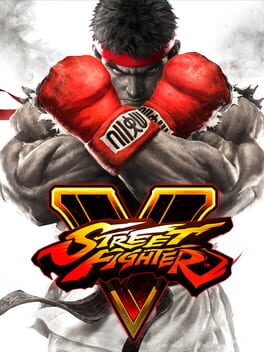
Street Fighter V
Reads · Grand Arena
A reads-heavy neutral game where V-System decisions and opponent modelling decide bouts.
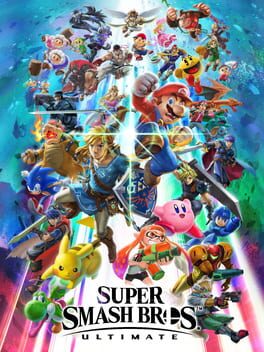
Super Smash Bros. Ultimate
Reads · Competitive PvP
A platform fighter where edgeguards turn on reading the opponent.
Street Fighter V leans Reads (Grand Arena); Super Smash Bros. Ultimate leans Reads (Competitive PvP).
Street Fighter VSuper Smash Bros. Ultimate
Axis by axis
Execution8 vs 8
Same score on execution - which means the number cannot separate them. The difference is in what each one asks of you.
Street Fighter V
V-Trigger combos and meaty setups require solid execution
Super Smash Bros. Ultimate
Tech skill, edgeguards, and DI are mechanically heavy.
Reads9 vs 9
Same score on reads - which means the number cannot separate them. The difference is in what each one asks of you.
Street Fighter V
V-System neutral game heavily rewards opponent habit exploitation
Super Smash Bros. Ultimate
Adaptive opponents drive ledge and platform mind games.
Variance1 vs 2
Super Smash Bros. Ultimate leans a little harder on variance, though the gap is small.
Street Fighter V
No RNG; match flow is entirely player-driven
Super Smash Bros. Ultimate
Stage hazards and items if enabled.
Optimization6 vs 5
Street Fighter V leans a little harder on optimization, though the gap is small.
Street Fighter V
Season-by-season tier lists and V-Skill routing reward study
Super Smash Bros. Ultimate
Matchup knowledge and kill confirms are learnable.
A matching score does not mean a matching test. Two games can both sit at 10 on execution and demand completely different things of you - which is why the reasoning above matters more than the number beside it.