Building comparison
head to head
Suikoden IIvsThe Bard's Tale IV
Neither is harder. They score identically on all four axes, so the difference between them is in kind, not degree.
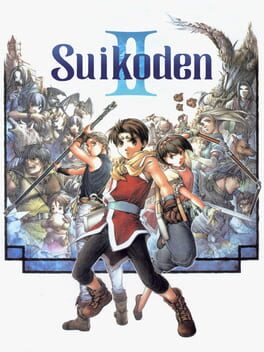
Suikoden II
Optimization · Pure Optimization
One of the deepest classic JRPGs, where party optimization and precise recruitment routing unlock its full richness.
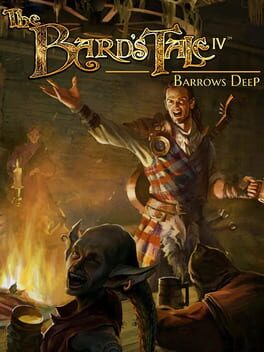
The Bard's Tale IV
Optimization · Pure Optimization
A grid-based dungeon crawler about deep party building and environmental puzzles.
Suikoden II leans Optimization (Pure Optimization); The Bard's Tale IV leans Optimization (Pure Optimization).
Suikoden IIThe Bard's Tale IV
Axis by axis
Execution2 vs 2
Same score on execution - which means the number cannot separate them. The difference is in what each one asks of you.
Suikoden II
Menu combat; duel minigame has mild timing
The Bard's Tale IV
grid-based combat needs little manual skill
Reads0 vs 0
Same score on reads - which means the number cannot separate them. The difference is in what each one asks of you.
Suikoden II
All enemies scripted; no player-modeling AI
The Bard's Tale IV
scripted monster AI, no true adaptation
Variance3 vs 3
Same score on variance - which means the number cannot separate them. The difference is in what each one asks of you.
Suikoden II
Rune drop RNG and recruitment trigger timing add light variance
The Bard's Tale IV
loot and encounter randomness
Optimization8 vs 8
Same score on optimization - which means the number cannot separate them. The difference is in what each one asks of you.
Suikoden II
Party comp, rune combos, and duel answer memorization are solvable
The Bard's Tale IV
deep party build and puzzle-solving systems
A matching score does not mean a matching test. Two games can both sit at 10 on execution and demand completely different things of you - which is why the reasoning above matters more than the number beside it.