Building comparison
head to head
Super Smash Bros. for Wii UvsWarhammer 40,000: Dawn of War III
Neither is meaningfully harder - they pose close to the same test. The widest gap is variance, and it is a single point.
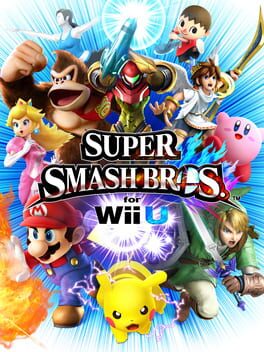
Super Smash Bros. for Wii U
Execution · Competitive PvP
The Wii U Smash that restored competitive pace and a huge roster of labbable kill confirms.
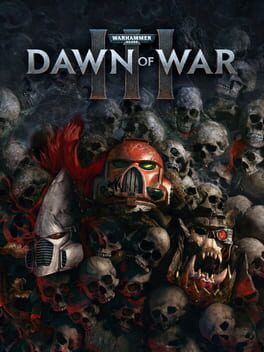
Warhammer 40,000: Dawn of War III
Execution · Grand Arena
Elite-focused 40K RTS where power node pressure and ability-chain timing test both micro and opponent reading.
Super Smash Bros. for Wii U leans Execution (Competitive PvP); Warhammer 40,000: Dawn of War III leans Execution (Grand Arena).
Super Smash Bros. for Wii UWarhammer 40,000: Dawn of War III
Axis by axis
Execution7 vs 7
Same score on execution - which means the number cannot separate them. The difference is in what each one asks of you.
Super Smash Bros. for Wii U
Perfect pivots and precise aerial spacing reward sharp hands.
Warhammer 40,000: Dawn of War III
Elite ability chains and walker micro have strict timing demands
Reads7 vs 7
Same score on reads - which means the number cannot separate them. The difference is in what each one asks of you.
Super Smash Bros. for Wii U
Ledge-trap and landing-trap guessing against humans never converges.
Warhammer 40,000: Dawn of War III
Three-race elite compositions must be scouted and countered
Variance2 vs 3
Warhammer 40,000: Dawn of War III leans a little harder on variance, though the gap is small.
Super Smash Bros. for Wii U
Tripping removed; only minor move RNG remains.
Warhammer 40,000: Dawn of War III
Power node variance and ability cooldown RNG add moderate uncertainty
Optimization5 vs 6
Warhammer 40,000: Dawn of War III leans a little harder on optimization, though the gap is small.
Super Smash Bros. for Wii U
Rage mechanics and kill-confirm percents are deeply labbable.
Warhammer 40,000: Dawn of War III
Elite point allocation and doctrine selection are defined optimization problems
A matching score does not mean a matching test. Two games can both sit at 10 on execution and demand completely different things of you - which is why the reasoning above matters more than the number beside it.
Related comparisons
Call of Duty: Modern Warfare 2 vs Super Smash Bros. for Wii UWarcraft III: Reign of Chaos vs Warhammer 40,000: Dawn of War IIICounter-Strike: Global Offensive vs Super Smash Bros. for Wii UStarCraft vs Warhammer 40,000: Dawn of War IIICall of Duty: Black Ops vs Super Smash Bros. for Wii UOverwatch vs Warhammer 40,000: Dawn of War III