Building comparison
head to head
Super Smash Bros.vsTeenage Mutant Ninja Turtles: Tournament Fighters
Neither is meaningfully harder - they pose close to the same test. The widest gap is reads, and it is a single point.
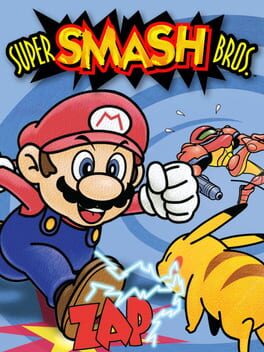
Super Smash Bros.
Execution · Competitive PvP
The N64 original that turned Nintendo mascots into a percent-and-knockback platform fighter.
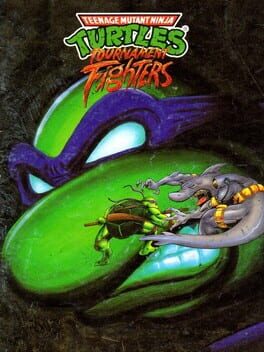
Teenage Mutant Ninja Turtles: Tournament Fighters
Execution · Competitive PvP
A versus fighter testing motion-input execution and live opponent prediction.
Super Smash Bros. leans Execution (Competitive PvP); Teenage Mutant Ninja Turtles: Tournament Fighters leans Execution (Competitive PvP).
Super Smash Bros.Teenage Mutant Ninja Turtles: Tournament Fighters
Axis by axis
Execution7 vs 7
Same score on execution - which means the number cannot separate them. The difference is in what each one asks of you.
Super Smash Bros.
Z-cancels and DI demand fast precise inputs despite simple controls.
Teenage Mutant Ninja Turtles: Tournament Fighters
Special-move inputs and punish timing decide exchanges
Reads7 vs 6
Super Smash Bros. leans a little harder on reads, though the gap is small.
Super Smash Bros.
Edgeguard and tech-chase guessing against adapting humans decides stocks.
Teenage Mutant Ninja Turtles: Tournament Fighters
Human opponents adapt and bait every round
Variance2 vs 1
Super Smash Bros. leans a little harder on variance, though the gap is small.
Super Smash Bros.
Item spawns add randomness; tournament rules strip most of it.
Teenage Mutant Ninja Turtles: Tournament Fighters
Nothing hidden once both characters are known
Optimization4 vs 4
Same score on optimization - which means the number cannot separate them. The difference is in what each one asks of you.
Super Smash Bros.
Stage positioning and percent-based kill setups are learnable.
Teenage Mutant Ninja Turtles: Tournament Fighters
Matchup knowledge and move properties underpin play
A matching score does not mean a matching test. Two games can both sit at 10 on execution and demand completely different things of you - which is why the reasoning above matters more than the number beside it.
Related comparisons
Call of Duty: Modern Warfare 2 vs Super Smash Bros.Call of Duty: Modern Warfare 2 vs Teenage Mutant Ninja Turtles: Tournament FightersCounter-Strike: Global Offensive vs Super Smash Bros.Counter-Strike: Global Offensive vs Teenage Mutant Ninja Turtles: Tournament FightersCall of Duty: Black Ops vs Super Smash Bros.Call of Duty: Black Ops vs Teenage Mutant Ninja Turtles: Tournament Fighters