Building comparison
head to head
The Stanley ParablevsTwin Mirror
Neither is meaningfully harder - they pose close to the same test. The widest gap is optimization, and it is a single point.
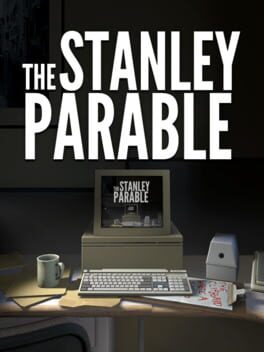
The Stanley Parable
Variance · Light / Casual
An exploration of narrative branches that deliberately tests nothing.
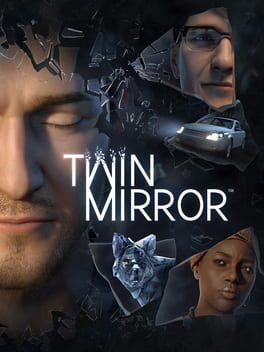
Twin Mirror
Optimization · Light / Casual
A psychological detective adventure where a mind-palace reconstruction of events drives the small-town mystery.
The Stanley Parable leans Variance (Light / Casual); Twin Mirror leans Optimization (Light / Casual).
The Stanley ParableTwin Mirror
Axis by axis
Execution0 vs 0
Same score on execution - which means the number cannot separate them. The difference is in what each one asks of you.
The Stanley Parable
Walking is the only input
Twin Mirror
Exploration and dialogue; no dexterity test.
Reads0 vs 0
Same score on reads - which means the number cannot separate them. The difference is in what each one asks of you.
The Stanley Parable
The narrator is a script, however much he pretends otherwise
Twin Mirror
No opponent; the mystery is scripted.
Variance2 vs 2
Same score on variance - which means the number cannot separate them. The difference is in what each one asks of you.
The Stanley Parable
Endings are hidden information until you wander into them
Twin Mirror
Branch consequences unknown on first playthrough.
Optimization2 vs 3
Twin Mirror leans a little harder on optimization, though the gap is small.
The Stanley Parable
Finding all branches is a trivial checklist
Twin Mirror
Mind-palace deduction scenes require assembling correct clue chains.
A matching score does not mean a matching test. Two games can both sit at 10 on execution and demand completely different things of you - which is why the reasoning above matters more than the number beside it.