Building comparison
head to head
The Witcher 3: Wild HuntvsType: Rider
The Witcher 3: Wild Hunt asks more than Type: Rider, and the gap is variance.
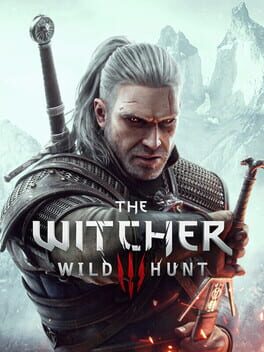
The Witcher 3: Wild Hunt
Optimization · Practiced Mastery
A narrative action RPG where build planning matters more than reflex execution.
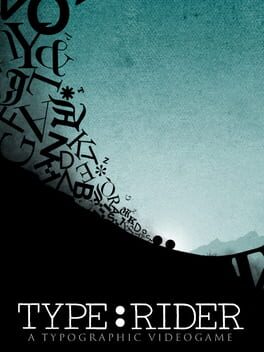
Type: Rider
Execution · Practiced Mastery
A gentle physics-platforming stroll through typography history with light puzzles.
The Witcher 3: Wild Hunt leans Optimization (Practiced Mastery); Type: Rider leans Execution (Practiced Mastery).
The Witcher 3: Wild HuntType: Rider
Axis by axis
Execution4 vs 4
Same score on execution - which means the number cannot separate them. The difference is in what each one asks of you.
The Witcher 3: Wild Hunt
Combat timing matters but generous dodges forgive sloppy play.
Type: Rider
Gentle physics platforming with occasional tricky jumps
Reads1 vs 0
The Witcher 3: Wild Hunt leans a little harder on reads, though the gap is small.
The Witcher 3: Wild Hunt
Enemies use fixed AI behaviours; no adaptation.
Type: Rider
No adversary - levels are static typography history
Variance2 vs 0
The Witcher 3: Wild Hunt leans clearly harder on variance.
The Witcher 3: Wild Hunt
Loot rolls and minor combat variance only.
Type: Rider
Fixed handcrafted levels, nothing hidden after one pass
Optimization6 vs 4
The Witcher 3: Wild Hunt leans clearly harder on optimization.
The Witcher 3: Wild Hunt
Builds, alchemy, and quest routing reward planning.
Type: Rider
Finding paths and collectibles through each level is light puzzling
A matching score does not mean a matching test. Two games can both sit at 10 on execution and demand completely different things of you - which is why the reasoning above matters more than the number beside it.