Building comparison
head to head
Tom Clancy's Splinter Cell: Double AgentvsTotal War: Shogun 2
Neither is meaningfully harder - they pose close to the same test. The widest gap is reads, and it is a single point.
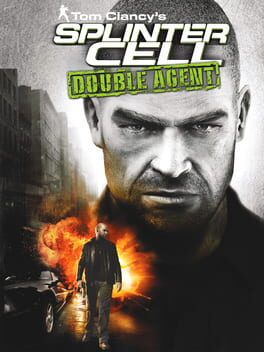
Tom Clancy's Splinter Cell: Double Agent
Optimization · Practiced Mastery
A double-agent stealth game where managing two factions' trust meters becomes the core puzzle.
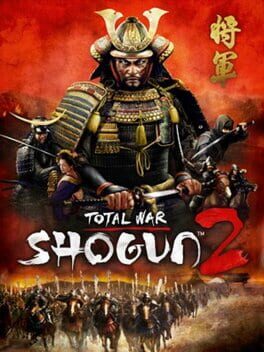
Total War: Shogun 2
Optimization · Practiced Mastery
Mastering samurai unit cohesion and clan-specific economic chains across feudal Japan.
Tom Clancy's Splinter Cell: Double Agent leans Optimization (Practiced Mastery); Total War: Shogun 2 leans Optimization (Practiced Mastery).
Tom Clancy's Splinter Cell: Double AgentTotal War: Shogun 2
Axis by axis
Execution6 vs 6
Same score on execution - which means the number cannot separate them. The difference is in what each one asks of you.
Tom Clancy's Splinter Cell: Double Agent
Stealth movement and timed objectives need steady hands.
Total War: Shogun 2
Samurai unit micro, zen arts timing, and castle sieges reward sharp play
Reads2 vs 3
Total War: Shogun 2 leans a little harder on reads, though the gap is small.
Tom Clancy's Splinter Cell: Double Agent
Trust meter pressure is scripted, not adaptive.
Total War: Shogun 2
AI daimyo follow scripted clan doctrines; human opponents require reads
Variance3 vs 4
Total War: Shogun 2 leans a little harder on variance, though the gap is small.
Tom Clancy's Splinter Cell: Double Agent
Branching trust outcomes are unknown on first play.
Total War: Shogun 2
Metsuke agent skill rolls and random farm yields add moderate unknowns
Optimization8 vs 8
Same score on optimization - which means the number cannot separate them. The difference is in what each one asks of you.
Tom Clancy's Splinter Cell: Double Agent
Balancing JBA and NSA trust is a solvable system.
Total War: Shogun 2
Clan-specific mastery paths and trade port chains are the core solvable layer
A matching score does not mean a matching test. Two games can both sit at 10 on execution and demand completely different things of you - which is why the reasoning above matters more than the number beside it.
Related comparisons
Grand Theft Auto V vs Tom Clancy's Splinter Cell: Double AgentGrand Theft Auto V vs Total War: Shogun 2The Witcher 3: Wild Hunt vs Tom Clancy's Splinter Cell: Double AgentThe Witcher 3: Wild Hunt vs Total War: Shogun 2Grand Theft Auto: San Andreas vs Tom Clancy's Splinter Cell: Double AgentGrand Theft Auto: San Andreas vs Total War: Shogun 2