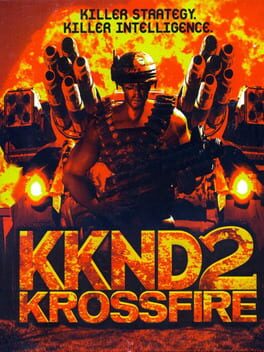
KKnD2: Krossfire
Classic RTS economy and build-order optimisation with some multiplayer mind games.
the cheat-test profile
The four axes - the argument
Each axis is rated on its own - how far one cheat would trivialize the game here. They don't trade off; low on all four means the game is an experience, not a contest.
Execution
cheat: Aimbot - perfect inputs
4/10Click speed and unit micro matter in classic RTS fashion
Reads
cheat: Out-predict an adaptive opponent
4/10Human skirmishes reward scouting and outguessing build choices
Variance
cheat: See what's hidden / map the RNG
2/10Maps and tech are known; fog hides little long-term
Optimization
cheat: A perfect solver / coach
7/10Build orders, economy and unit counters decide most games
How to read this
Each axis is named by the cheat that would break the game along it. Execution is the hands. Reads is out-thinking an adaptive opponent. Variance is hidden information & RNG. Optimization is the solvable systems layer. A game's region is the top one or two axes.
These four aren't one rating split four ways - they're independent 0-10 questions. A 9 on one axis takes nothing from the others, and a game low on all four isn't missing data: it's telling you there's no skill here to cheat.
The basis is how the majority actually plays this game - not a niche mode or a personal run. For a game with very different modes (a story campaign versus ranked multiplayer), that's the version most people mean.
Compare with
Similar games
see all →Ranked by shared genre first, then by how closely the cheat-test profile matches - a cross-genre tag means a pick matched on skill profile alone.
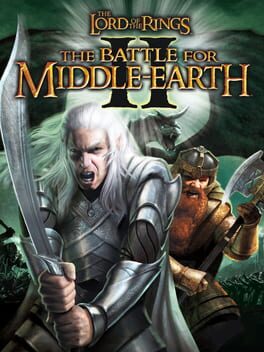
The Lord of the Rings: The Battle for Middle-earth II
Practiced Mastery · real-time strategy
Game details
- Released
- 1998
- Developer
- Beam Software
- Platforms
- PC, PS1
- Modes
- Single player, Multiplayer, Split screen
- IGDB users
- 73/100