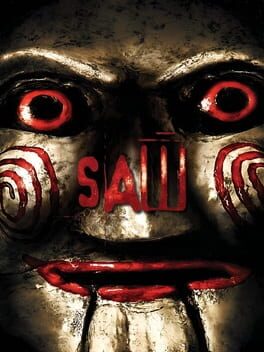
Saw
A horror puzzler testing trap-solving under time pressure with clumsy combat between.
the cheat-test profile
The four axes - the argument
Each axis is rated on its own - how far one cheat would trivialize the game here. They don't trade off; low on all four means the game is an experience, not a contest.
Execution
cheat: Aimbot - perfect inputs
3/10Trap QTEs and clunky combat ask modest timing
Reads
cheat: Out-predict an adaptive opponent
0/10Jigsaw's traps are pre-built, never adapting mid-game
Variance
cheat: See what's hidden / map the RNG
3/10Trap mechanics are unknown until first encountered
Optimization
cheat: A perfect solver / coach
6/10Each puzzle trap has a fixed discoverable solution
How to read this
Each axis is named by the cheat that would break the game along it. Execution is the hands. Reads is out-thinking an adaptive opponent. Variance is hidden information & RNG. Optimization is the solvable systems layer. A game's region is the top one or two axes.
These four aren't one rating split four ways - they're independent 0-10 questions. A 9 on one axis takes nothing from the others, and a game low on all four isn't missing data: it's telling you there's no skill here to cheat.
The basis is how the majority actually plays this game - not a niche mode or a personal run. For a game with very different modes (a story campaign versus ranked multiplayer), that's the version most people mean.
Game details
- Released
- 2009
- Developer
- Zombie Studios
- Franchise
- Saw
- Platforms
- PS3, PC, X360
- Modes
- Single player
- IGDB critics
- 40/100
- IGDB users
- 71/100