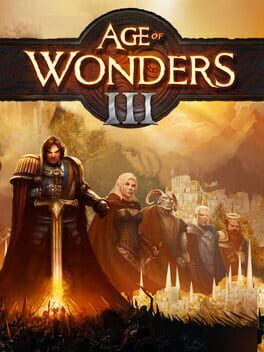
games like
Age of Wonders 3
Age of Wonders 3 leans Optimization (Pure Optimization). Below: catalogued games with the closest cheat-test profile, and exactly where each one differs.
Matched first against: Role-playing (RPG), Strategy, Turn-based strategy (TBS), Tactical - then ranked by cheat-test profile.
12 games like Age of Wonders 3
A cross-genre tag below means that pick didn't share a genre - it filled a slot on cheat-test profile alone.
Both lean on execution about the same (2 vs 2). Otherwise the profiles match closely.
full comparison →
Both lean on execution about the same (2 vs 2). Biggest difference: reads (2 vs 1) - All enemies follow scripted AI behaviour trees without player modelling
full comparison →
Both lean on execution about the same (2 vs 2). Biggest difference: reads (2 vs 1) - All tribal and Enclave enemies run fixed scripted combat routines
full comparison →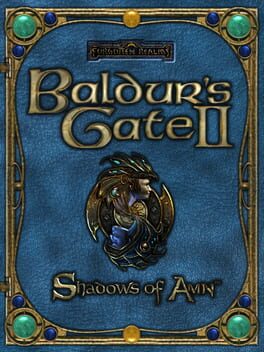
Both lean on execution about the same (2 vs 2). Biggest difference: reads (2 vs 1) - Enemies run scripted behaviour patterns, never modelling your tactics
full comparison →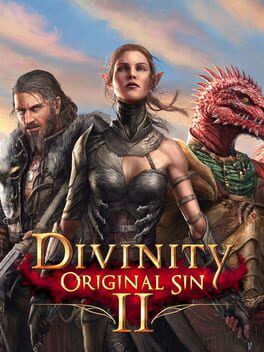
Both lean on execution about the same (2 vs 2). Biggest difference: optimization (9 vs 10) - Lone Wolf builds and damage-type stacking define solved optimal strategies
full comparison →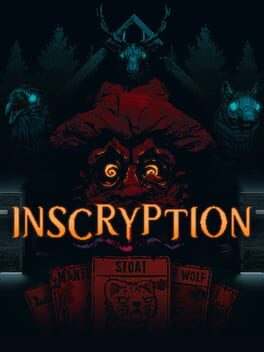
Both lean on reads about the same (2 vs 2). Biggest difference: execution (2 vs 1) - No reflex demands; turn-based card play.
full comparison →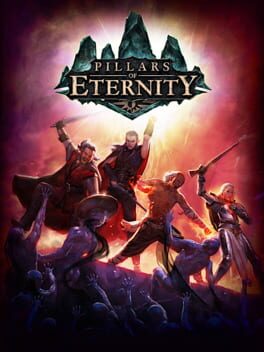
Both lean on execution about the same (2 vs 2). Biggest difference: reads (2 vs 1) - All AI opponents use fixed scripted behaviour trees
full comparison →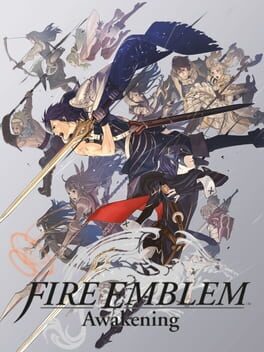
Both lean on execution about the same (2 vs 2). Biggest difference: reads (2 vs 1) - Enemies follow simple aggro patterns on fixed maps
full comparison →
Both lean on execution about the same (2 vs 2). Biggest difference: reads (2 vs 1) - PvE only with scripted enemy behaviour throughout
full comparison →
Both lean on execution about the same (2 vs 2). Biggest difference: reads (2 vs 1) - Companion AI and enemy scripting are fixed, non-adaptive routines
full comparison →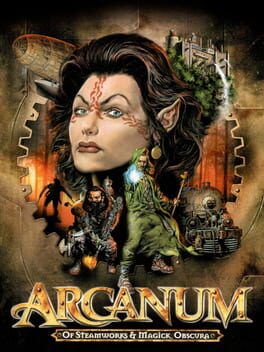
Both lean on execution about the same (2 vs 2). Biggest difference: reads (2 vs 1) - All NPCs and factions follow scripted dialogue and combat routines
full comparison →
Both lean on execution about the same (2 vs 2). Biggest difference: reads (2 vs 1) - AI follows scripted attack priorities, not player modeling
full comparison →Game details
- Released
- 2014
- Developer
- Triumph Studios
- Platforms
- Linux, PC, Mac
- Modes
- Single player, Multiplayer, Co-operative
- IGDB critics
- 80/100
- IGDB users
- 63/100