games like
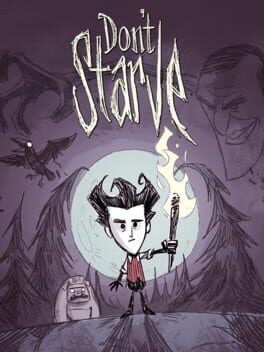
Don't Starve
Don't Starve leans Variance (Systems & Chaos). Below: catalogued games with the closest cheat-test profile, and exactly where each one differs.
Matched first against: Simulator - then ranked by cheat-test profile.
12 games like Don't Starve
A cross-genre tag below means that pick didn't share a genre - it filled a slot on cheat-test profile alone.
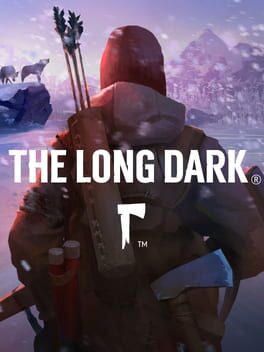
Both lean on execution about the same (2 vs 2). Biggest difference: variance (7 vs 6) - Blizzard timing, condition decay, and loot spawns are heavily random
full comparison →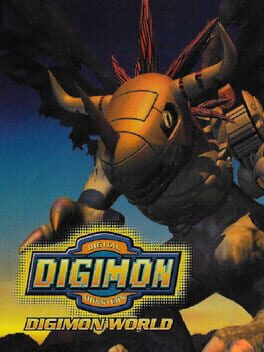
Both lean on execution about the same (2 vs 2). Biggest difference: variance (7 vs 6) - Hidden evolution requirements and care mistakes dominate early play
full comparison →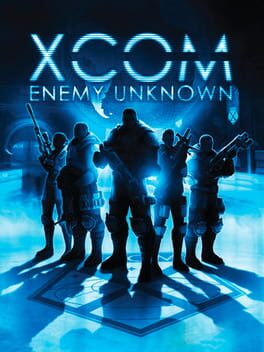
Both lean on variance about the same (7 vs 7). Biggest difference: execution (2 vs 3) - Turn-based; no twitch inputs; cover placement has mild precision
full comparison →
Both lean on execution about the same (2 vs 2). Biggest difference: optimization (7 vs 9) - Power management and ship builds are deeply solvable.
full comparison →
Both lean on variance about the same (7 vs 7). Biggest difference: optimization (7 vs 9) - Colony layout, work priorities, and defenses solvable.
full comparison →
Both lean on execution about the same (2 vs 2). Biggest difference: variance (7 vs 5) - Armor/strength interaction and random narrative outcomes create variance
full comparison →
Both lean on reads about the same (0 vs 0). Biggest difference: variance (7 vs 5) - Loot spawns and zombie distributions randomized.
full comparison →
Both lean on reads about the same (0 vs 0). Biggest difference: variance (7 vs 5) - Permadeath, infestations and survivor traits randomise each community
full comparison →
Both lean on reads about the same (0 vs 0). Biggest difference: variance (7 vs 5) - Random module combinations every bomb
full comparison →
Both lean on reads about the same (0 vs 0). Biggest difference: variance (7 vs 5) - Wobbly physics makes identical setups resolve differently
full comparison →
Both lean on execution about the same (2 vs 2). Biggest difference: variance (7 vs 5) - Unexplained mechanics and map layout are hidden until mapped
full comparison →
Both lean on reads about the same (0 vs 0). Biggest difference: execution (2 vs 4) - Reacting to breath audio cues within tight windows matters
full comparison →Game details
- Released
- 2013
- Developer
- Klei Entertainment
- Platforms
- PS4, Linux, PC, Mac, XONE, Switch
- Modes
- Single player
- IGDB critics
- 79/100
- IGDB users
- 76/100