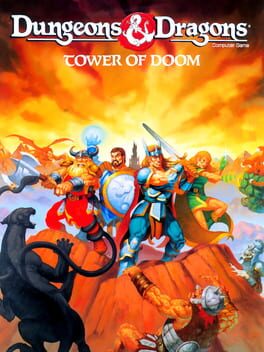
games like
Dungeons & Dragons: Tower of Doom
Dungeons & Dragons: Tower of Doom leans Execution (Practiced Mastery). Below: catalogued games with the closest cheat-test profile, and exactly where each one differs.
Matched first against: Role-playing (RPG), Hack and slash/Beat 'em up - then ranked by cheat-test profile.
Like Dungeons & Dragons: Tower of Doom, but easier
Same cheat-test neighborhood, lower Execution demand - the hands aren't as punishing.
12 games like Dungeons & Dragons: Tower of Doom
A cross-genre tag below means that pick didn't share a genre - it filled a slot on cheat-test profile alone.
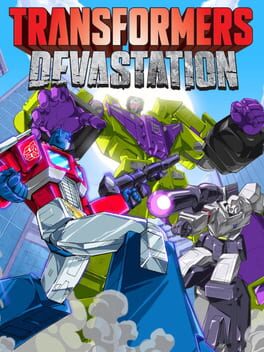
Both lean on execution about the same (7 vs 7). Otherwise the profiles match closely.
full comparison →
Both lean on execution about the same (7 vs 7). Biggest difference: variance (2 vs 1) - Encounters are essentially deterministic
full comparison →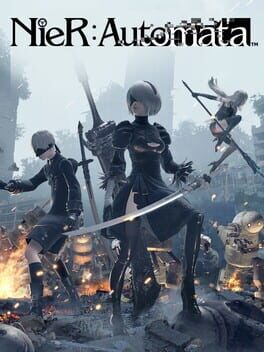
Both lean on variance about the same (2 vs 2). Biggest difference: execution (7 vs 8) - Fast combos, dodge timing, and bullet-hell patterns demand precise inputs
full comparison →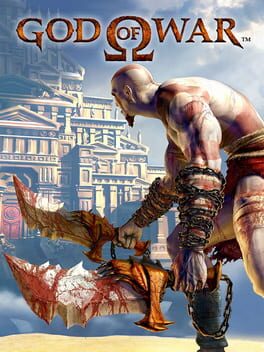
Both lean on reads about the same (0 vs 0). Biggest difference: execution (7 vs 6) - Blade combos, parries, and QTEs reward clean inputs
full comparison →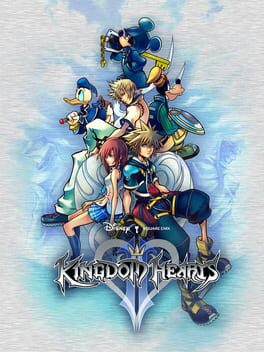
Both lean on execution about the same (7 vs 7). Biggest difference: reads (0 vs 1) - Even superbosses run scripted, mappable patterns
full comparison →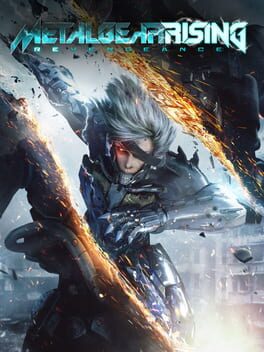
Both lean on reads about the same (0 vs 0). Biggest difference: execution (7 vs 8) - parry timing and blade-mode cuts demand sharp reactions
full comparison →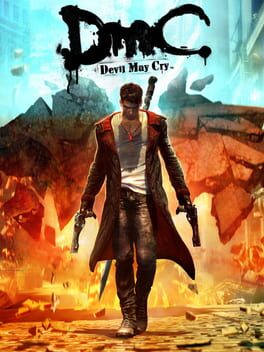
Both lean on execution about the same (7 vs 7). Biggest difference: variance (2 vs 1) - Limbo levels are authored spectacle, not random
full comparison →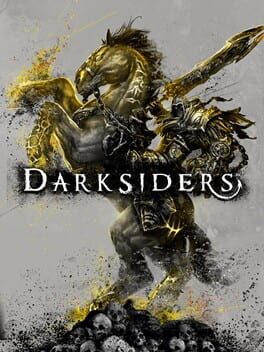
Both lean on reads about the same (0 vs 0). Biggest difference: execution (7 vs 6) - combo-driven combat with dodge timing
full comparison →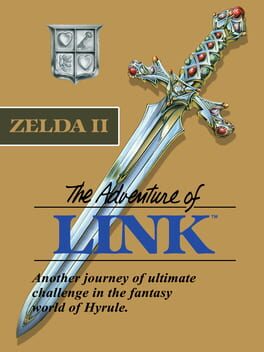
Both lean on execution about the same (7 vs 7). Biggest difference: reads (0 vs 1) - Ironknuckles feint but follow fixed logic
full comparison →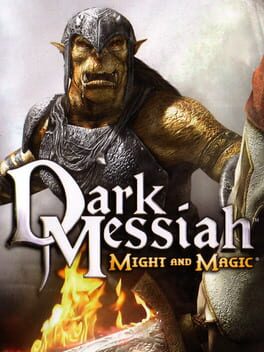
Both lean on execution about the same (7 vs 7). Biggest difference: variance (2 vs 1) - levels are fixed
full comparison →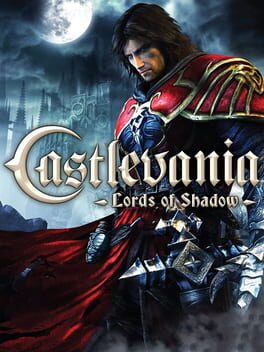
Both lean on reads about the same (0 vs 0). Biggest difference: execution (7 vs 6) - Combo timing, dodges, and QTE precision
full comparison →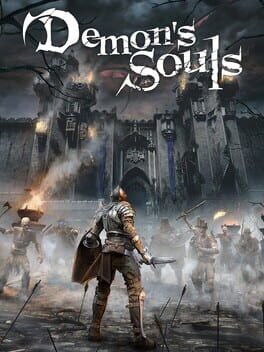
Both lean on execution about the same (7 vs 7). Biggest difference: reads (0 vs 1) - Invasions exist but bosses are scripted patterns.
full comparison →Game details
- Released
- 1994
- Developer
- Capcom
- Franchise
- Dungeons & Dragons
- Platforms
- Arcade
- Modes
- Single player
- IGDB users
- 78/100