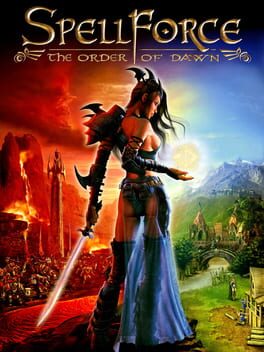
games like
SpellForce: The Order of Dawn
SpellForce: The Order of Dawn leans Optimization (Pure Optimization). Below: catalogued games with the closest cheat-test profile, and exactly where each one differs.
Matched first against: Real Time Strategy (RTS), Role-playing (RPG), Strategy - then ranked by cheat-test profile.
12 games like SpellForce: The Order of Dawn
A cross-genre tag below means that pick didn't share a genre - it filled a slot on cheat-test profile alone.
Both lean on execution about the same (3 vs 3). Biggest difference: reads (2 vs 1) - Scripted enemies
full comparison →
Both lean on execution about the same (3 vs 3). Biggest difference: reads (2 vs 1) - Scripted enemies
full comparison →
Both lean on execution about the same (3 vs 3). Biggest difference: reads (2 vs 1) - Scripted enemy behaviour
full comparison →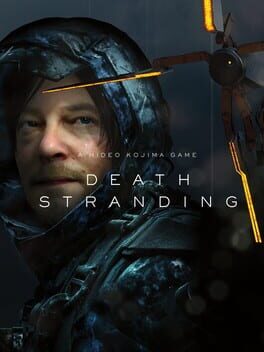
Both lean on execution about the same (3 vs 3). Biggest difference: reads (2 vs 1) - BTs and MULEs scripted, predictable.
full comparison →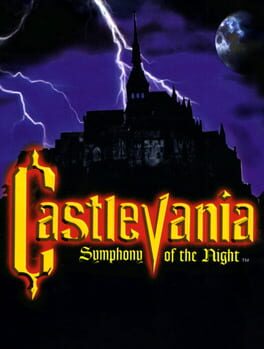
Both lean on variance about the same (2 vs 2). Biggest difference: execution (3 vs 4) - Forgiving action combat
full comparison →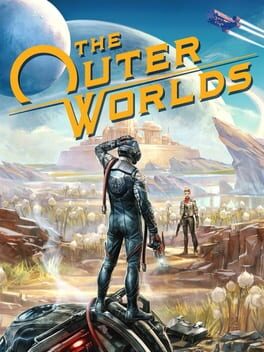
Both lean on execution about the same (3 vs 3). Biggest difference: reads (2 vs 1) - Scripted enemies
full comparison →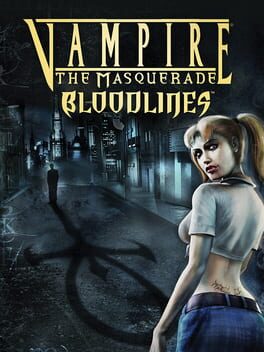
Both lean on execution about the same (3 vs 3). Biggest difference: reads (2 vs 1) - Scripted NPCs
full comparison →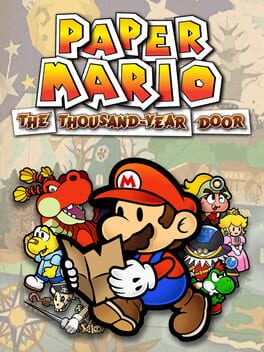
Both lean on execution about the same (3 vs 3). Biggest difference: variance (2 vs 3) - Audience and badge effects
full comparison →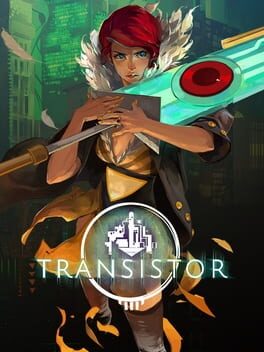
Both lean on variance about the same (2 vs 2). Biggest difference: execution (3 vs 4) - Real-time and planned hybrid combat.
full comparison →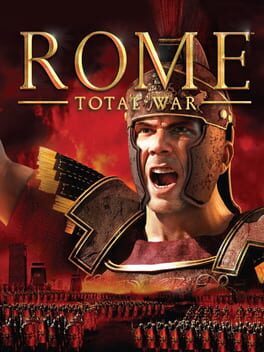
Both lean on execution about the same (3 vs 3). Biggest difference: optimization (7 vs 8) - Campaign economy, recruitment, and battle tactics are solvable
full comparison →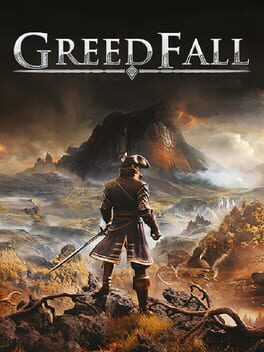
Both lean on execution about the same (3 vs 3). Biggest difference: reads (2 vs 1) - Scripted enemy patterns
full comparison →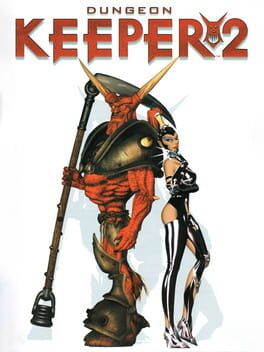
Both lean on execution about the same (3 vs 3). Biggest difference: reads (2 vs 1) - Hero waves and rival keepers run on scripts.
full comparison →Game details
- Released
- 2003
- Developer
- Phenomic Game Development
- Platforms
- PC
- Modes
- Single player, Multiplayer
- IGDB critics
- 83/100
- IGDB users
- 76/100