Building comparison
head to head
100 Hidden DogsvsCircle of Blood
Neither is meaningfully harder - they pose close to the same test. The widest gap is variance, and it is a single point.

100 Hidden Dogs
Optimization · Light / Casual
A hidden-object game about spotting one hundred dogs in a scene.
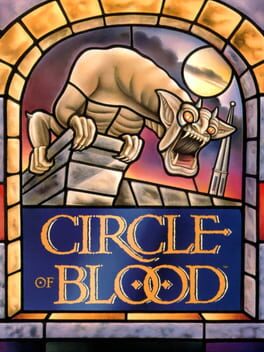
Circle of Blood
Optimization · Light / Casual
A point-and-click detective adventure where puzzle logic is the entire test.
100 Hidden Dogs leans Optimization (Light / Casual); Circle of Blood leans Optimization (Light / Casual).
100 Hidden DogsCircle of Blood
Axis by axis
Execution1 vs 1
Same score on execution - which means the number cannot separate them. The difference is in what each one asks of you.
100 Hidden Dogs
Clicking spotted dogs needs no precision
Circle of Blood
no physical skill, point-and-click
Reads0 vs 0
Same score on reads - which means the number cannot separate them. The difference is in what each one asks of you.
100 Hidden Dogs
Solo - no opponent to predict
Circle of Blood
no opponents, puzzle-driven
Variance2 vs 1
100 Hidden Dogs leans a little harder on variance, though the gap is small.
100 Hidden Dogs
Dog locations hidden until you find them
Circle of Blood
no meaningful randomness
Optimization3 vs 3
Same score on optimization - which means the number cannot separate them. The difference is in what each one asks of you.
100 Hidden Dogs
Systematic scanning of the scene finds them all
Circle of Blood
inventory puzzle logic is solvable
A matching score does not mean a matching test. Two games can both sit at 10 on execution and demand completely different things of you - which is why the reasoning above matters more than the number beside it.