Building comparison
head to head
Alfred Hitchcock: VertigovsThe Walking Dead
Neither is meaningfully harder - they pose close to the same test. The widest gap is variance, and it is a single point.
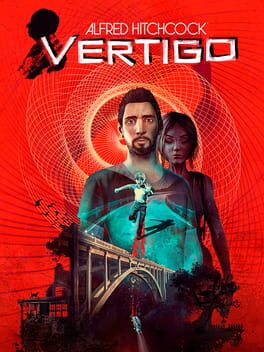
Alfred Hitchcock: Vertigo
Variance · Light / Casual
A narrative thriller testing whether you can untangle scripted unreliable memories.
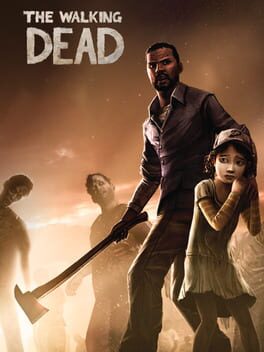
The Walking Dead
Variance · Light / Casual
An interactive story that tests emotional choice, not skill.
Alfred Hitchcock: Vertigo leans Variance (Light / Casual); The Walking Dead leans Variance (Light / Casual).
Alfred Hitchcock: VertigoThe Walking Dead
Axis by axis
Execution1 vs 1
Same score on execution - which means the number cannot separate them. The difference is in what each one asks of you.
Alfred Hitchcock: Vertigo
Light interaction in a narrative framework
The Walking Dead
Quick-time prompts are forgiving and rarely fail the story
Reads0 vs 0
Same score on reads - which means the number cannot separate them. The difference is in what each one asks of you.
Alfred Hitchcock: Vertigo
Characters follow a script, not your behaviour
The Walking Dead
No opponent - characters follow the script
Variance3 vs 2
Alfred Hitchcock: Vertigo leans a little harder on variance, though the gap is small.
Alfred Hitchcock: Vertigo
Unreliable memories hide the true sequence of events
The Walking Dead
Branch outcomes are hidden on a first playthrough only
Optimization3 vs 2
Alfred Hitchcock: Vertigo leans a little harder on optimization, though the gap is small.
Alfred Hitchcock: Vertigo
Cross-checking timelines is a fixed solvable puzzle
The Walking Dead
Choices barely gate progress; nothing meaningful to solve
A matching score does not mean a matching test. Two games can both sit at 10 on execution and demand completely different things of you - which is why the reasoning above matters more than the number beside it.