Building comparison
head to head
Bad End TheatervsDoki Doki Literature Club!
Neither is meaningfully harder - they pose close to the same test. The widest gap is optimization, and it is a single point.
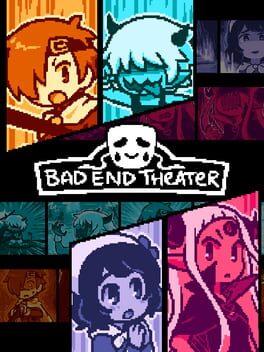
Bad End Theater
Optimization · Systems & Chaos
A short theatrical visual novel where playing all four character roles in different orders reveals the hidden true ending.

Doki Doki Literature Club!
Optimization · Light / Casual
A deceptively cheerful visual novel that uses its own genre conventions as horror tools.
Bad End Theater leans Optimization (Systems & Chaos); Doki Doki Literature Club! leans Optimization (Light / Casual).
Bad End TheaterDoki Doki Literature Club!
Axis by axis
Execution0 vs 0
Same score on execution - which means the number cannot separate them. The difference is in what each one asks of you.
Bad End Theater
Choose-your-own-adventure format; no skill floor
Doki Doki Literature Club!
No inputs beyond clicking text - zero physical demand
Reads0 vs 0
Same score on reads - which means the number cannot separate them. The difference is in what each one asks of you.
Bad End Theater
Hero and Overlord are scripted roles per playthrough
Doki Doki Literature Club!
No adaptive opponent; horror twists are scripted
Variance2 vs 2
Same score on variance - which means the number cannot separate them. The difference is in what each one asks of you.
Bad End Theater
Four character perspectives hide which combinations unlock the true end
Doki Doki Literature Club!
Hidden content and flags drive the horror subversion
Optimization4 vs 3
Bad End Theater leans a little harder on optimization, though the gap is small.
Bad End Theater
Finding the correct role combination across all four playthroughs is a small solvable map
Doki Doki Literature Club!
One optimal path to reach all endings once mechanics known
A matching score does not mean a matching test. Two games can both sit at 10 on execution and demand completely different things of you - which is why the reasoning above matters more than the number beside it.