Building comparison
head to head
Battle Chasers: NightwarvsThe Room Three
Neither is harder. They score identically on all four axes, so the difference between them is in kind, not degree.

Battle Chasers: Nightwar
Optimization · Pure Optimization
Optimising party builds and turn economy through dungeons with light layout randomness.
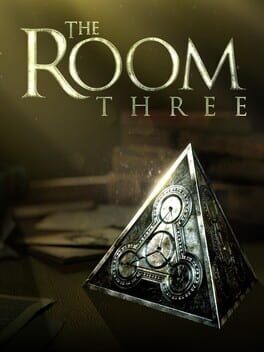
The Room Three
Optimization · Pure Optimization
Methodically dissecting intricate puzzle boxes whose mechanisms are fully solvable.
Battle Chasers: Nightwar leans Optimization (Pure Optimization); The Room Three leans Optimization (Pure Optimization).
Battle Chasers: NightwarThe Room Three
Axis by axis
Execution1 vs 1
Same score on execution - which means the number cannot separate them. The difference is in what each one asks of you.
Battle Chasers: Nightwar
Turn-based commands have no twitch demands
The Room Three
Rotating and prodding mechanisms takes no dexterity
Reads0 vs 0
Same score on reads - which means the number cannot separate them. The difference is in what each one asks of you.
Battle Chasers: Nightwar
Dungeon enemies follow fixed scripts, nothing adapts
The Room Three
The Craftsman is narrative dressing, not an adaptive mind
Variance3 vs 3
Same score on variance - which means the number cannot separate them. The difference is in what each one asks of you.
Battle Chasers: Nightwar
Randomly arranged dungeon rooms and loot shuffle each run
The Room Three
Hidden mechanisms are unknown until inspected, then fixed
Optimization7 vs 7
Same score on optimization - which means the number cannot separate them. The difference is in what each one asks of you.
Battle Chasers: Nightwar
Overcharge management, party builds and turn order are solvable math
The Room Three
Each puzzle box is a fully solvable mechanical system
A matching score does not mean a matching test. Two games can both sit at 10 on execution and demand completely different things of you - which is why the reasoning above matters more than the number beside it.