Building comparison
head to head
Battle CityvsUntil Dawn: Rush of Blood
Neither is harder. They score identically on all four axes, so the difference between them is in kind, not degree.
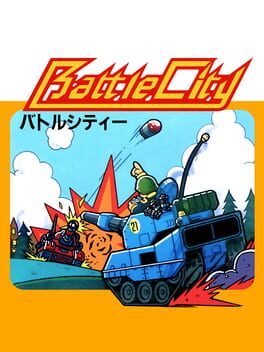
Battle City
Execution · Pure Mechanics
Twitch tank duels while protecting a base from scripted enemy waves.
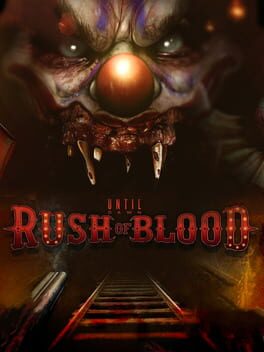
Until Dawn: Rush of Blood
Execution · Pure Mechanics
A VR rail shooter testing aim and memorised spawn positions for score.
Battle City leans Execution (Pure Mechanics); Until Dawn: Rush of Blood leans Execution (Pure Mechanics).
Battle CityUntil Dawn: Rush of Blood
Axis by axis
Execution7 vs 7
Same score on execution - which means the number cannot separate them. The difference is in what each one asks of you.
Battle City
Tank aim and dodge timing under pressure decides every stage
Until Dawn: Rush of Blood
Dual-wield aim under rollercoaster speed is the whole test
Reads0 vs 0
Same score on reads - which means the number cannot separate them. The difference is in what each one asks of you.
Battle City
Enemy tanks follow simple scripted routines, nothing adaptive
Until Dawn: Rush of Blood
Monsters pop from scripted positions, never adapting
Variance2 vs 2
Same score on variance - which means the number cannot separate them. The difference is in what each one asks of you.
Battle City
Spawn order and power-ups add mild randomness per stage
Until Dawn: Rush of Blood
Branching track paths hide targets until ridden
Optimization4 vs 4
Same score on optimization - which means the number cannot separate them. The difference is in what each one asks of you.
Battle City
Base-defense positioning and brick management have known best answers
Until Dawn: Rush of Blood
Memorising spawn positions drives leaderboard scores
A matching score does not mean a matching test. Two games can both sit at 10 on execution and demand completely different things of you - which is why the reasoning above matters more than the number beside it.